Let's cut to the chase. When you search for the largest ski area in the world, you're not just looking for a number. You're looking for a promise. A promise of endless variety, of never getting bored, of finding your perfect run no matter your skill level. That promise has a name, and it's Les 3 Vallées in the French Alps. With over 600 kilometers of interconnected pistes spread across eight distinct resorts, it's not just the biggest—it's a skiing ecosystem. But here's what most articles won't tell you: its sheer size is both its greatest asset and its biggest potential pitfall for planners. I've skied here for over a decade, and I've seen countless visitors make the same mistake—trying to conquer it all in a week. You can't. The real magic lies in understanding its parts and picking your perfect base.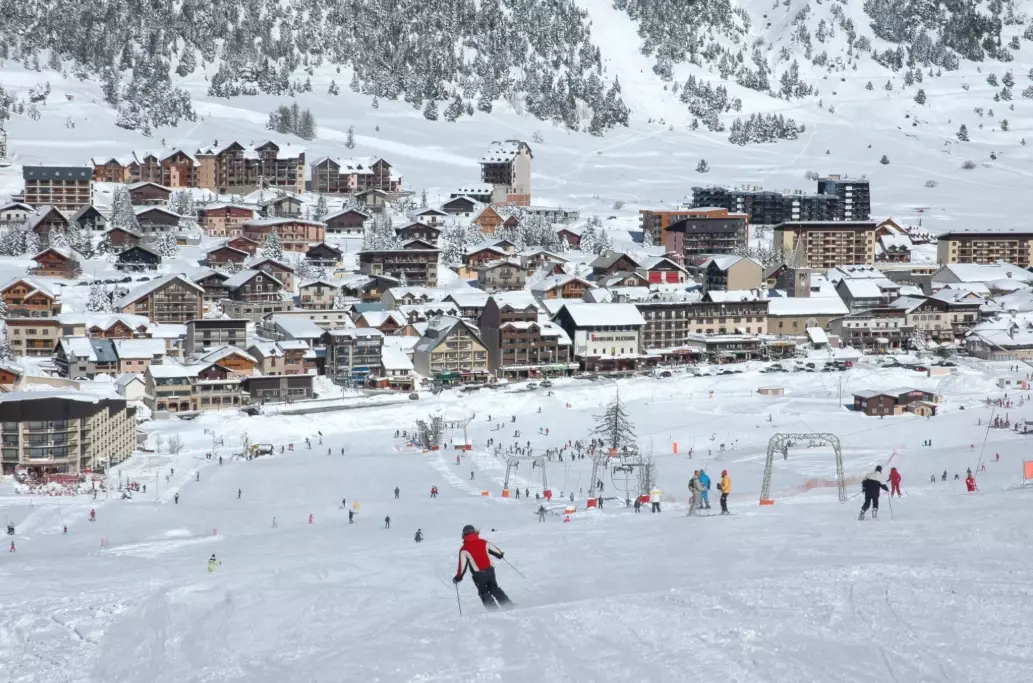
Your Quick Guide to the World's Biggest Ski Playground
What Makes Les 3 Vallées the Biggest?
The numbers are staggering, but they only tell half the story. Yes, it's 600km of marked pistes, over 330 ski runs, and more than 180 lifts connecting everything. The official ski area website, Les 3 Vallées, breaks it down in detail. But the scale hits you when you realize you can ski from the high-altitude, glacier-topped peaks of Val Thorens (at 2300m) all the way down to the traditional stone-and-wood chalets of Brides-les-Bains (at 600m) on one ski pass, without ever taking off your skis (weather and legs permitting). That's a vertical drop of 1700 meters across multiple valleys.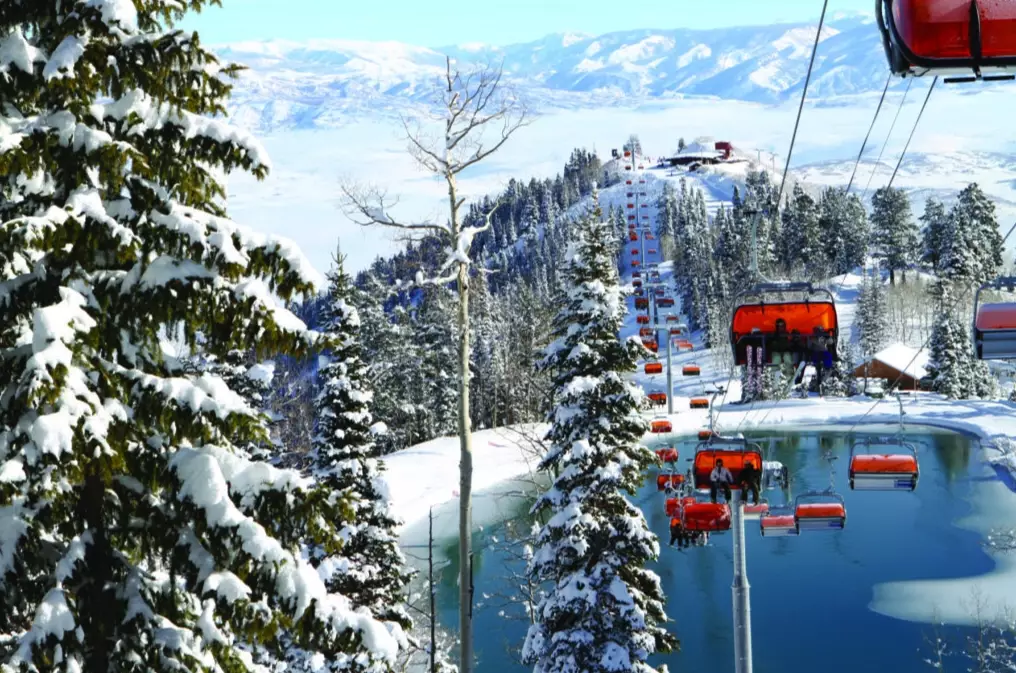
The Core Fact: The "Three Valleys" are the valleys of Saint-Bon (Courchevel & La Tania), Allues (Méribel & Mottaret), and Belleville (Val Thorens, Les Menuires, Saint-Martin-de-Belleville). The eighth resort, Brides-les-Bains, is connected via gondola from Méribel.
This interconnectivity is the engineering marvel. You're not trapped in one resort. Fancy lunch in Courchevel, afternoon cruising in Méribel, and apres-ski in Val Thorens? It's a long but feasible day. This freedom is what you're really paying for with the area pass, which costs around €350-€400 for 6 days in peak season. A pass for just one valley (e.g., just the Val Thorens/ Les Menuires sector) is significantly cheaper, around €250-€300 for 6 days. That's the first big decision: do you want the key to the whole kingdom, or just a very large, excellent duchy?
A Guide to the Eight Villages: Picking Your Perfect Base
This is where most people go wrong. They see "world's largest" and book the first hotel they find. Each village has a distinct personality, altitude, and price tag. Choosing the wrong one can define your trip.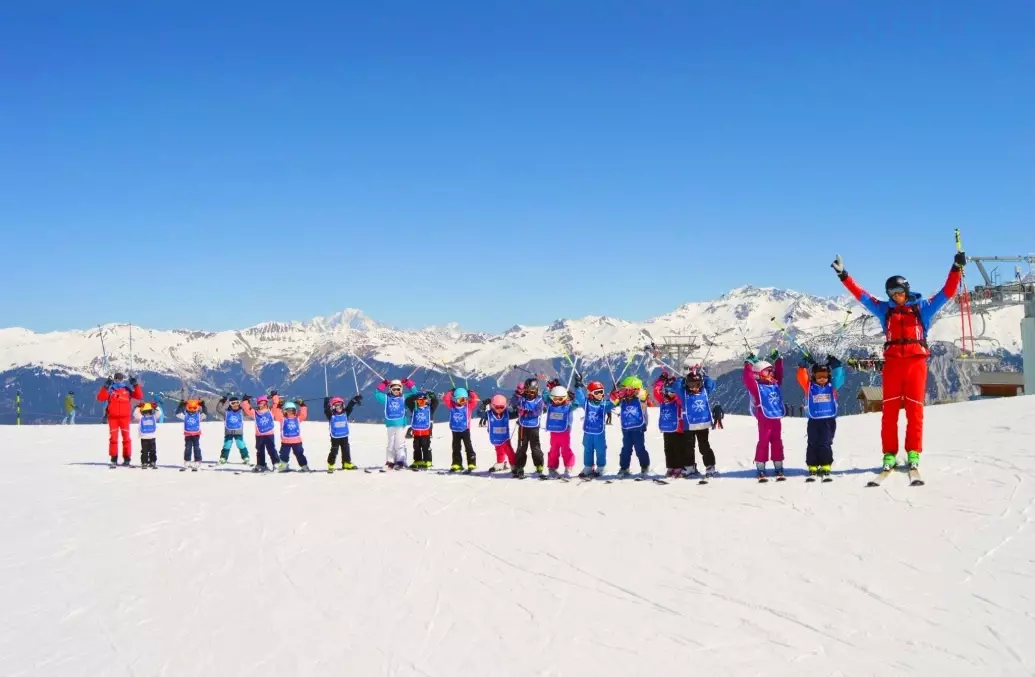
| Village | Altitude | Vibe & Best For | Sample Accommodation & Price* |
|---|---|---|---|
| Val Thorens | 2300m | Snow-sure, lively, modern. Perfect for groups, party apres-ski, and guaranteed snow. Can feel a bit concrete-heavy. | Hotel Club mmv Val Thorens – from €150/night (B&B). Direct slope access. |
| Courchevel | 1300-1850m | Luxury, glamour, wide easy blues. Think Michelin stars, designer shops, and perfectly groomed family runs. 1850 is the pinnacle. | Le Strato (Courchevel 1850) – from €800/night. Ski-in/ski-out, 5-star. |
| Méribel | 1450m | Charming, central, wooden chalet style. The geographic heart. Great mix of nightlife, families, and terrain. Gets very busy. | Chalet Hotel Le Grand Coeur – from €200/night (half-board). Central location. |
| Les Menuires | 1850m | Functional, affordable, high altitude. 1960s architecture isn't pretty, but it's a fantastic, budget-friendly gateway to the best snow. | Hotel Le K – from €100/night (room only). Simple, clean, near lifts. |
| Saint-Martin-de-Belleville | 1450m | Authentic, peaceful, traditional. A real Savoyard village feel. Quieter, needs a bus/lift to main slopes. For a genuine escape. | Chalet La Reine – from €120/night (self-catered). Authentic alpine charm. |
*Prices are per room, approximate for peak season (Feb), and can vary wildly.
My personal take? First-timers obsessed with snow reliability should look at Val Thorens or Les Menuires. Families wanting charm and centrality often love Méribel. Those for whom budget is no object and want the "experience" head to Courchevel 1850. And if you hate crowds and love authenticity, Saint-Martin is a hidden gem, though you'll spend more time on lifts/buses to reach the core network.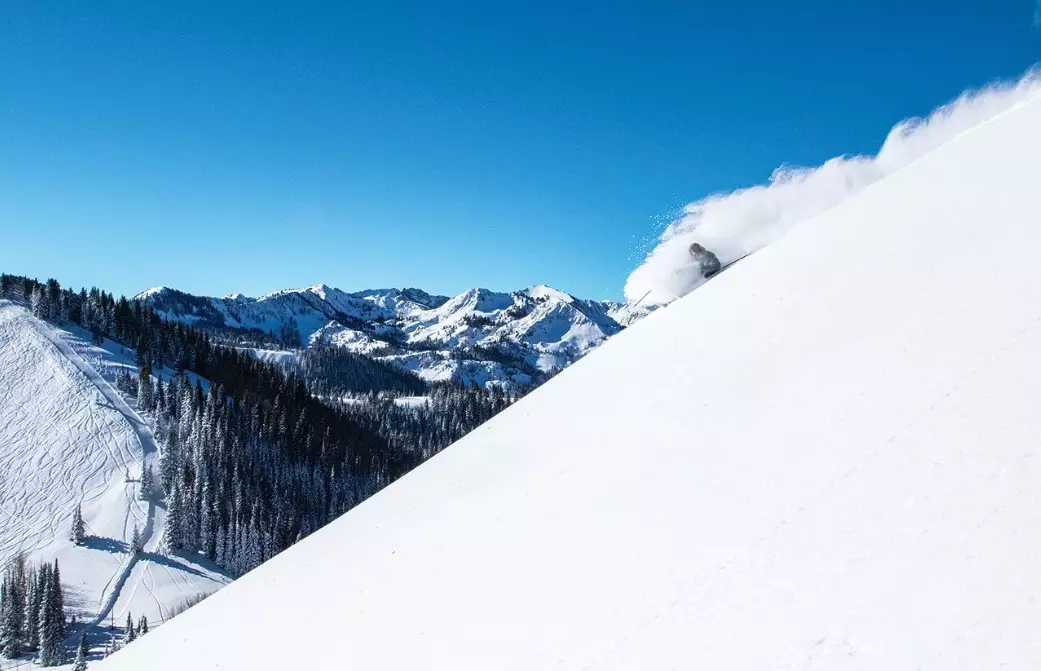
How to Get There: Your Travel Options
You have three main gateways. Rushing this decision adds stress and eats into ski time.
- Geneva Airport (GVA): The most popular. About a 2 to 2.5-hour transfer to most resorts. Tons of private transfer companies (like Ben's Bus or Alps2Alps) and shared shuttles. Renting a car is an option, but you likely won't use it and parking is expensive.
- Chambéry Airport (CMF): Closer (approx 1.5 hours), but has fewer flight connections, mainly from the UK via tour operators.
- Lyon-Saint Exupéry Airport (LYS): A good alternative to Geneva, similar transfer time (around 2-2.5 hours). Often cheaper flights.
- Train: The TGV high-speed train to Moutiers-Salins-Brides-les-Bains station is a scenic, relaxing option. From there, local buses or taxis take you up the mountain (20-40 mins). Ideal if you're coming from within France or other European cities.
Book transfers before you fly. Turning up in Geneva in January without a booking means a very long, expensive wait.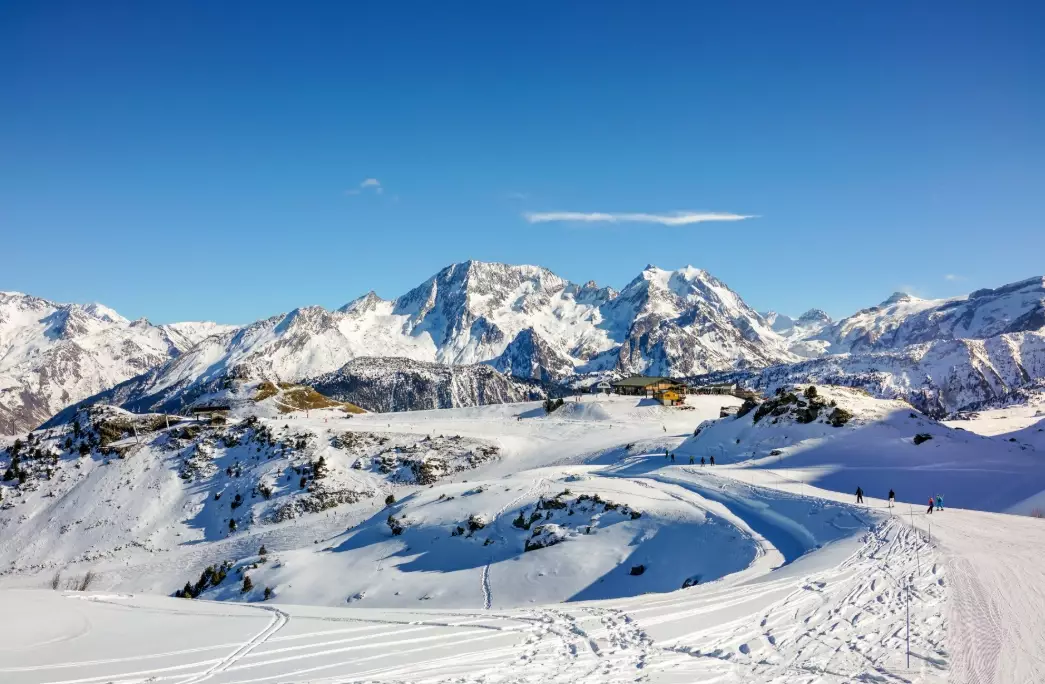
Where to Stay: The Altitude vs. Budget Trade-Off
Altitude equals snow reliability and often, price. A room in Val Thorens (2300m) in March will almost certainly have snow at its door. A cheaper, prettier chalet in Brides-les-Bains (600m) might have green grass, relying on the gondola to reach the snow. This is the critical trade-off.
Ski-in/ski-out is the holy grail here. Wasting 30 minutes each morning boot-clomping to a lift is a tragedy when you have 600km to explore. It's worth stretching your budget for. If you can't, ensure your accommodation is on a frequent, free shuttle bus route.
My Recommendation for First-Timers
For a balanced first trip, stay in Méribel or Les Menuires. Méribel gives you the classic alpine look and central access. Les Menuires gives you the high altitude and value, putting you right next to the fantastic, often-underestimated Saint-Martin sector and a quick lift from Val Thorens. It's uglier, but you're here to ski, not stare at your hotel facade.
Planning Your Ski Days: An Expert's Strategy
You cannot ski it all. Don't try. The key is to explore one or two valleys per day in-depth.
- Day 1: Local Exploration. Stay in your home valley. Learn the lift system. Find your favorite coffee spot.
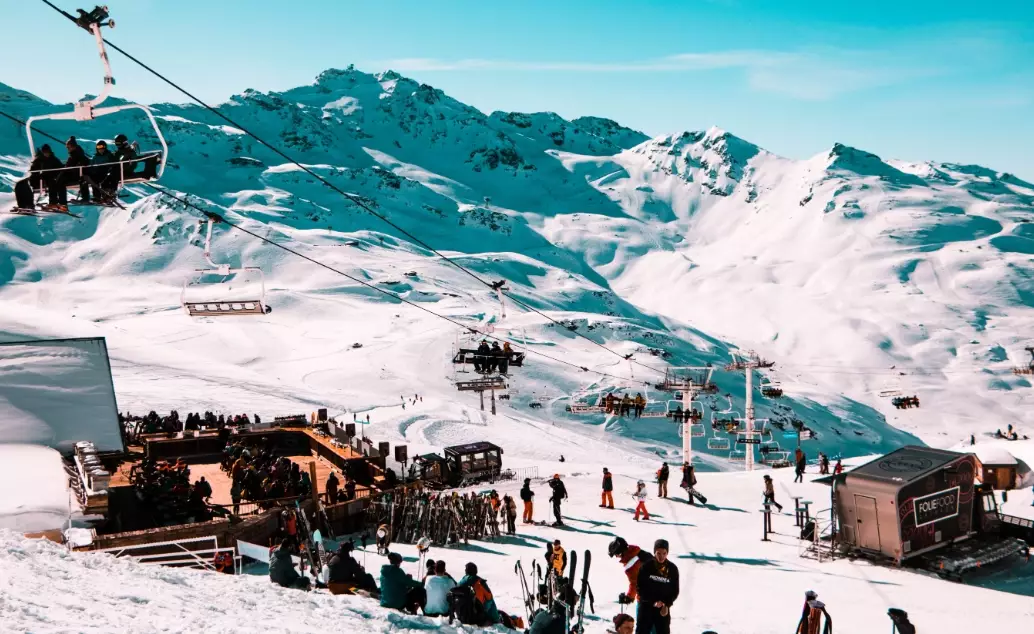
- Day 2: Pick a Direction. From Méribel, head to Courchevel. Spend the day exploring its vast, sunny slopes. Have a (pricey) lunch on the terrace at La Folie Douce in Courchevel 1850.
- Day 3: The High Altitude Day. From anywhere, make your way to Val Thorens. Tackle the Cime Caron cable car for the 360° view from 3200m. Ski the long, scenic reds and blues back towards Les Menuires.
- Day 4: Discover the Quiet Side. From Val Thorens or Les Menuires, dive into the Saint-Martin-de-Belleville valley. The slopes here are less crowded, more traditional, and the restaurants on the mountain (like Les Bruyères) are fantastic value.
Download the official "Les 3 Vallées" app. Its live GPS map is a lifesaver, showing lift status, queue times (roughly), and helping you navigate.
3 Common Mistakes to Avoid (From a Local)
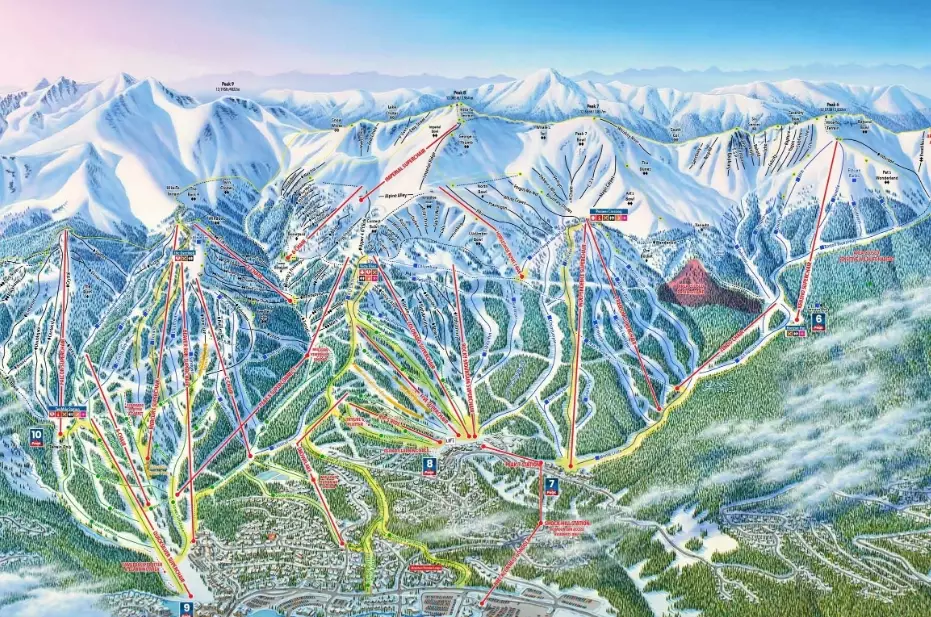
- Underestimating Travel Time on Snow: The map is deceptive. A run from Courchevel to Val Thorens can take 2-3 hours of actual skiing and lift-hopping for an intermediate. Always check the last lift times back to your valley, especially after 3 PM.
- Only Sticking to Pistes: The off-piste here is legendary but requires a guide. The real intermediate thrill? The itineraires—signed, un-groomed routes like the "Lac du Lou" from Méribel to Courchevel. They're not patrolled like pistes, so check conditions and go with someone who knows the way.
- Eating Lunch at Peak Time at a Mountain Restaurant: The queues between 12:30 and 1:30 PM are soul-destroying. Eat early (11:45) or late (1:45). Or pack a picnic—many lifts have sunny picnic areas at the top.
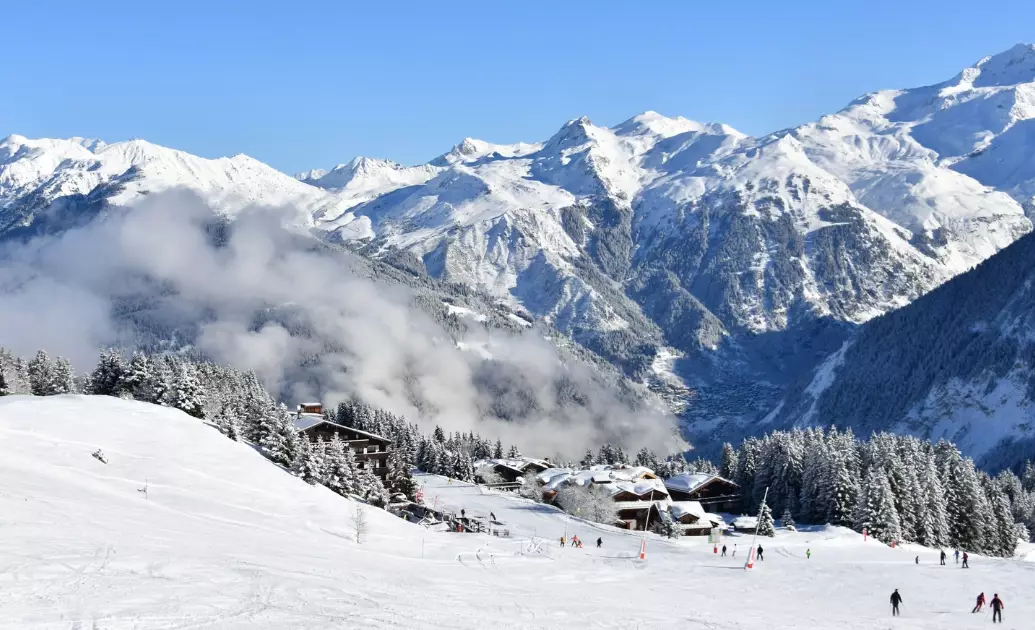
Your Biggest Questions Answered
 We're a family with young kids. Is the world's largest ski area a logistical nightmare?
Related Articles
Comments
Join the discussion