Let's be honest. The food at a ski resort can make or break your trip. You're burning thousands of calories a day, and a soggy, overpriced burger at the base lodge just doesn't cut it. I've spent over a decade chasing powder and, just as importantly, chasing great meals from the Alps to the Rockies. The good news? Ski resort dining has evolved dramatically. You're no longer limited to cafeteria chili. This guide isn't just a list of restaurants—it's a system for finding, evaluating, and securing the best food experiences on any mountain, tailored to your group and budget.
What's Inside This Guide
Understanding the Ski Resort Dining Landscape
First, forget the idea of "the restaurant at the ski resort." Think in layers. Your options change drastically depending on whether you're on the mountain, just finished skiing, or back in the village for the night.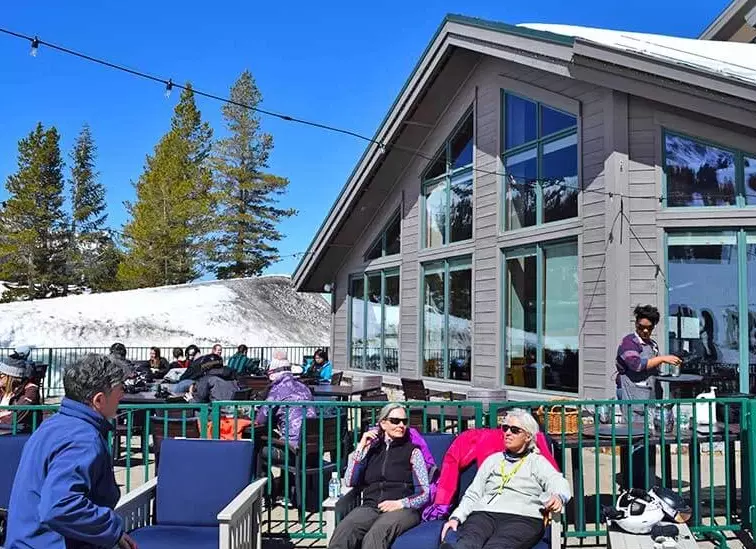
The Four Pillars of Mountain Dining
| Type | What It Is | Best For | Pro Tip |
|---|---|---|---|
| On-Mountain Eateries | Lodges, cafeterias, and sit-down restaurants accessible only by ski lift or trail. Ranges from quick-service grills to fine dining with a view. | Mid-day refueling without taking off your boots. Scenic lunch spots. | The highest lodges often have the best views but the longest lines. Go early (11:30 AM) or late (1:30 PM). |
| Après-Ski & Base Area Spots | Bars, pubs, and casual restaurants at the base of the lifts. The epicenter of post-ski social life. | Celebrating a great day, drinks with friends, hearty pub food. | If you want a table for food, arrive before 4 PM. After that, it's standing room only for drinks. |
| Village & Resort Town Dining | The full spectrum of restaurants in the pedestrian village or nearby town: from pizza joints to award-winning chef's tables. | Dinner, special occasions, diverse cuisines. | This is where you'll find the true culinary gems, often a 5-10 minute walk/shuttle from the main lifts. |
| Grocery & Takeout | Local markets, delis, and pre-order services for cabin cooking or picnic lunches. | Budget-conscious travelers, families, dietary restrictions, breakfasts. | Order groceries for delivery to your condo the day you arrive. Saves a huge chunk of time and money. |
One subtle mistake I see all the time? Skiers get hypnotized by the resort's official "slopeside dining" map. Those are just the places that pay to be listed. Some of the best food I've had was at a tiny family-run Austrian hut tucked between two blue runs, only known by locals and season pass holders. How do you find these? Ask your ski instructor or the rental shop tech where they go. That simple question opens more doors than any brochure.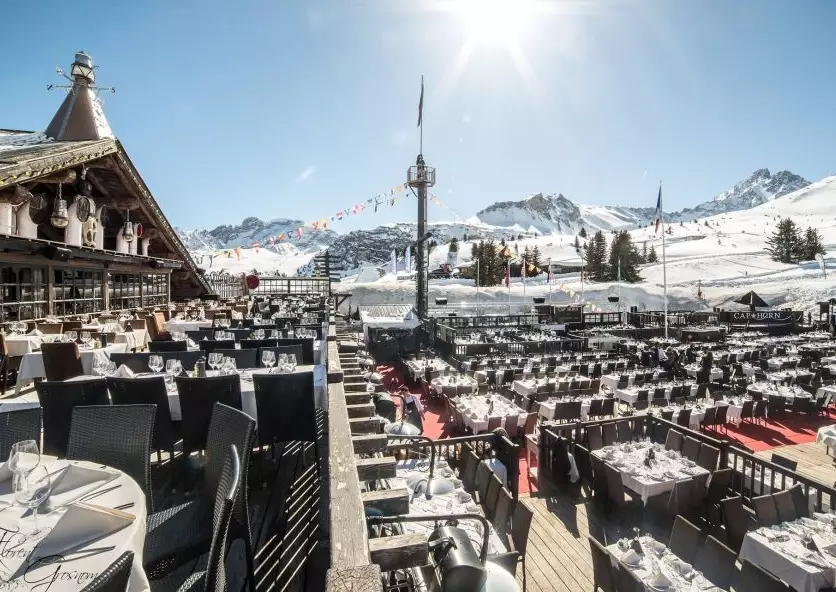
How to Plan Your Ski Trip Meals Like a Pro
Winging it leads to hangry skiers and wasted après-ski time waiting for a table. Here's my non-negotiable planning routine.
Step 1: Research & Book Dinner Reservations (Yes, Now)
If you're traveling during peak season (Christmas, February holidays), book your dinner reservations 4-6 weeks out. For weekends, 2-3 weeks. Use OpenTable, Resy, or call the restaurant directly. I prioritize booking one nice dinner and one fun après-ski spot. For the other nights, I leave flexible for discovered gems or simple condo meals.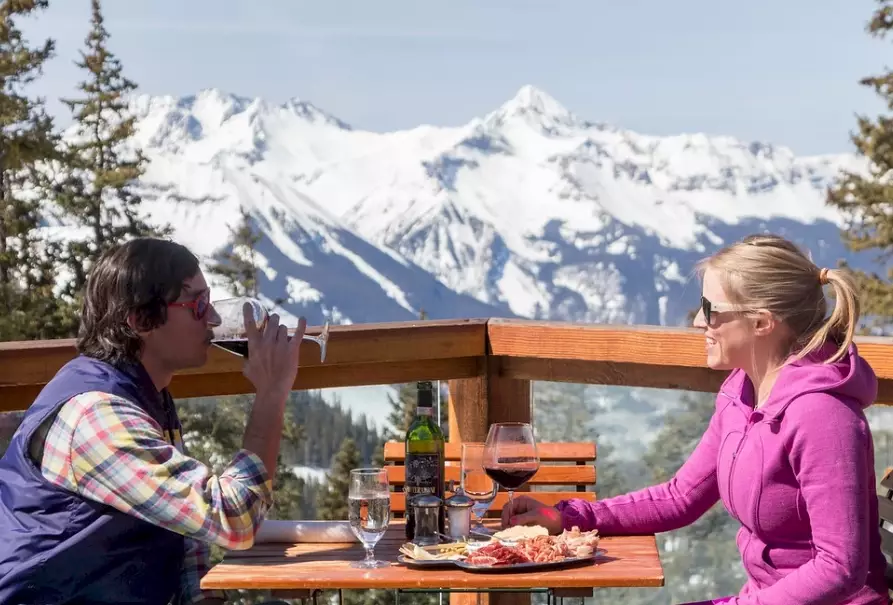
Step 2: Strategize Your On-Mountain Lunch
Decide your lunch style each day. Are you power-skiing and just need a quick bite? Pack a protein bar and eat on the lift. Is it a bluebird day perfect for a long, view-filled lunch? Target a specific summit lodge. I check the mountain's trail map online to identify potential lunch lodges along our intended route.
Step 3: The First-Night Grocery Run (or Delivery)
This is critical. Your first evening is chaotic. You're tired, unpacking, and everyone's hungry. Having breakfast food (eggs, oatmeal, bacon), snacks, and materials for at least one simple dinner (pasta, salad, pre-made sauce) eliminates stress and saves $200 on that first desperate takeout order. Services like Instacart or local grocery delivery are worth every penny.
Navigating Family, Budget, and Dietary Needs
This is where generic guides fail. Your group's composition changes everything.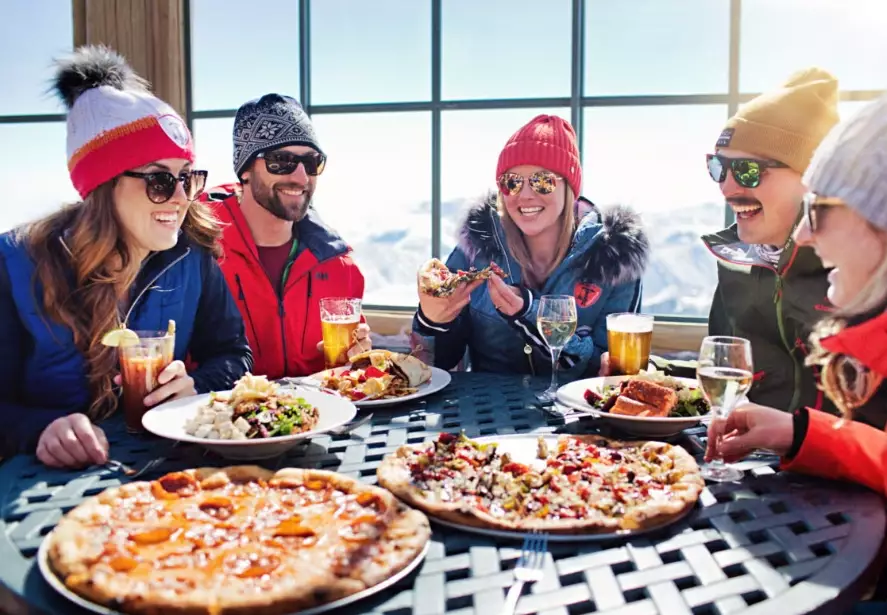
Ski Resort Dining with Kids
Forget quiet, white-tablecloth spots. Look for:
- Noise-Friendly Venues: Rustic lodges with wooden tables, pubs with separate game rooms.
- Speed of Service: Ask if they have a kids' menu that comes out quickly. Call ahead.
- Lunch Flexibility: Many mountain cafeterias let you buy a large pizza or sandwich platter to share, which is faster and cheaper than individual meals.
My personal rule: one sit-down meal per day with the kids is plenty. Lunch on the mountain is usually easier than dinner.
Eating Well on a Ski Trip Budget
It's possible. The biggest leak isn't the fancy dinner—it's the unplanned $25 lodge burgers and $8 hot chocolates.
- Lunch is King: Make lunch your big meal. Lodge sit-down restaurants are often 30% cheaper than their dinner counterparts for similar portions.
- Après-Ski Appetizers: Many bars have fantastic happy hour (3-5 PM) appetizer specials. Make a meal out of shared plates for half the dinner cost.
- Hydration Hack: Carry a collapsible water bottle. Refill at water stations. Buying water is a pointless tax.
Vegetarian, Vegan & Gluten-Free on the Slopes
It's gotten much better. Still, don't assume. My wife is vegetarian, and we've learned to:
Email ahead. A quick email to a restaurant asking, "Can you accommodate a vegetarian with something beyond a garden salad?" tells you everything. Their response time and enthusiasm are a great filter.
Seek out specific cuisines. Mexican (bean burritos), Nepalese/Tibetan (lentil soups, veggie momos), and even pizza joints often have solid, thoughtful plant-based options naturally on the menu.
Putting It All Together: A Vail Village Case Study
Let's make this concrete. Imagine a 4-day trip to Vail, Colorado, for two adults.
Pre-Trip Planning (3 weeks out):
- Booked dinner at Sweet Basil (Vail institution, modern American) for our "splurge" night.
- Reserved a late lunch/early après-ski table at The Red Lion (iconic live music spot) for our arrival day.
- Scheduled an Instacart delivery of groceries for 5 PM on check-in day (eggs, yogurt, fruit, salad, wine, snacks).
- Identified Two Elk Restaurant (at the top of China Bowl) as a target for a scenic mountain lunch.
Daily Execution:
Day 1 (Arrival): Groceries arrived. Quick pasta at the condo. Walked to The Red Lion for drinks and music. No dinner stress.
Day 2 (Ski Day): Breakfast at condo. Packed bars. Skied to Two Elk for a 1 PM sit-down lunch (beautiful views, decent chili). Happy hour appetizers at a base-area bar. Simple salad and leftovers at condo for dinner.
Day 3 (Ski Day): Big breakfast. Planned a quick, cafeteria-style lunch at Mid-Vail to maximize ski time. Fancy dinner at Sweet Basil (worth every penny).
Day 4 (Departure): Used up groceries for breakfast. Grabbed a legendary burger from Joe's Famous Deli in West Vail (a local secret, not in the village core) for the road.
This mix of planning and flexibility ensured we ate wonderfully, saved money where it mattered, and never wasted ski time debating where to eat.
Your Ski Dining Questions, Answered
The goal isn't to micromanage every meal. It's to build a framework that eliminates decision fatigue and financial surprise, freeing you to focus on the slopes and the company. Good food is part of the ski trip memory. With a little insight, you can ensure those memories are delicious.
Related Articles


Comments
Join the discussion