Let's be honest. Most skiers and snowboarders spend hours researching skis or a new board, then grab the first pair of goggles that looks cool off the shelf. I've been there. I remember a whiteout day in Whistler, my cheap, ill-fitting goggles fogged up instantly, turning an epic powder run into a terrifying, blind descent. That was the day I learned ski goggles aren't an accessory; they're your primary safety and performance tool. This guide isn't about listing products. It's about the why and the how—the optics, the fit secrets, and the tech that separates a miserable day from a perfect one.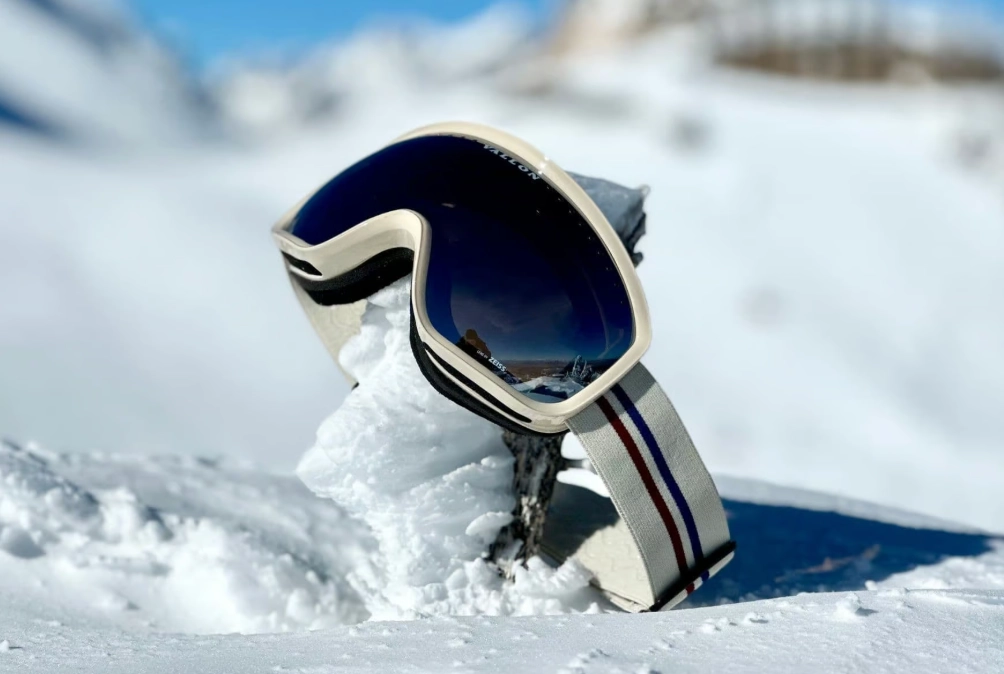
What's Inside This Guide?
Why Ski Goggles Are Non-Negotiable (It's Not Just About Sun)
Sunglasses won't cut it. Period. The CDC and organizations like the United States Ski and Snowboard Association emphasize protection from UV radiation, which is intense at altitude. But that's just the start.
Goggles create a sealed environment. This protects your eyes from wind, which causes tearing and blurred vision at speed. It shields them from airborne ice crystals, snow, and tree branches—real hazards on the mountain. Most critically, they enhance contrast and depth perception. On a flat light day, where the sky and snow blend into a featureless gray, a good goggle lens can mean the difference between seeing a bump and eating it.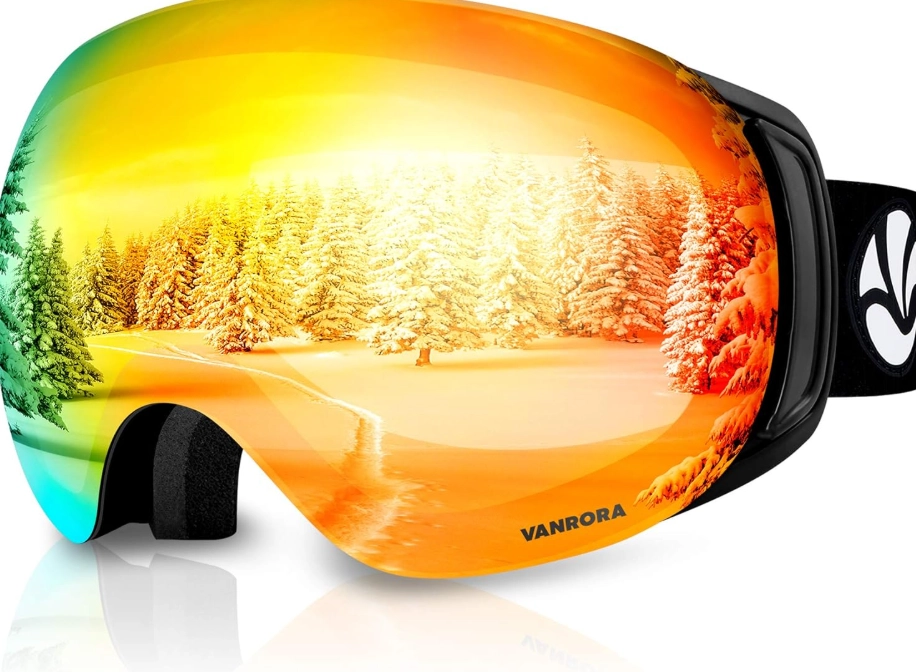
Pro Insight: A common mistake is thinking goggles are only for sunny days. I see more people struggling (and falling) in flat light because they have a super-dark, sunny-day lens. Your lens choice should match the conditions you're riding in, not just the calendar.
How to Choose Ski Goggles: The 3-Pillar Framework
Forget brand-first. Think about these three things in this order: Fit, Lens, then Features.
1. Fit & Comfort: The Make-or-Break Factor
If they pinch, gap, or bounce, nothing else matters. The goal is a secure, comfortable seal around your entire eye socket without pressure points.
- Face Shape: This is more art than science. Generally, larger, spherical goggles suit longer faces. Smaller, more angular frames can work for rounder faces. The only real test is trying them on with your helmet.
- The Helmet Test (Non-Negotiable): Never buy goggles without your helmet. The “Gap of Doom” is the space between the top of the goggle frame and your helmet brim. It should be minimal to zero. This gap is a direct funnel for snow and wind.
- Foam Quality: Press on it. Dense, memory foam feels plush and will conform to your face. Cheap, thin foam gets hard when cold and leaks.
2. Lens Technology: Your Window to the Mountain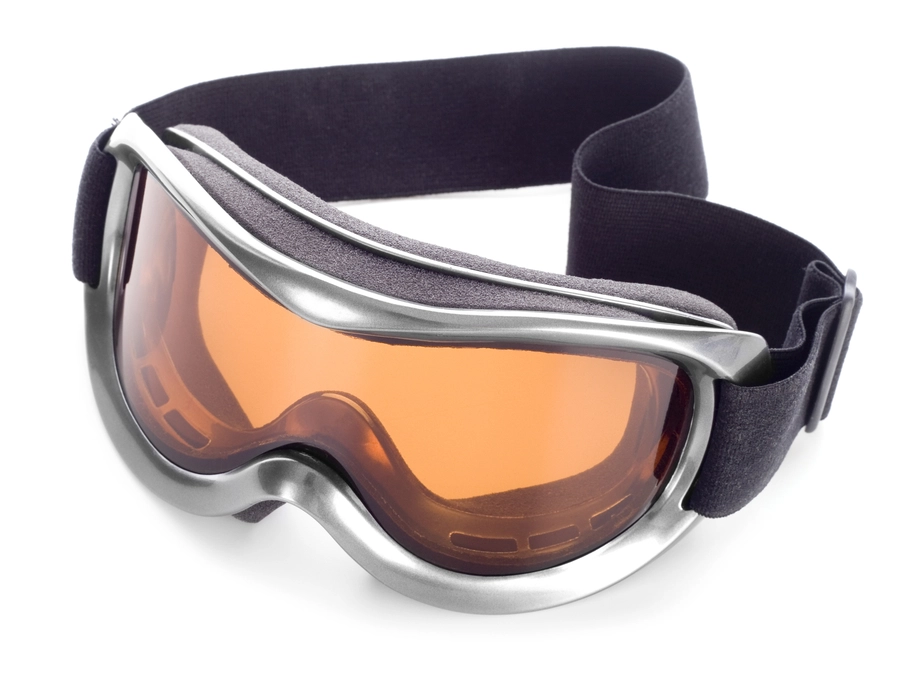
We'll dive deeper into VLT and colors next, but your key decision is between a fixed lens or a photochromic/light-adjusting lens.
Fixed lenses are optimized for a specific light condition (e.g., low light, sunny). They often provide the best optical clarity and contrast for that condition but are wrong if the weather changes.
Photochromic lenses (like Zeiss PhotoFusion or Oakley Prizm Photochromic) automatically adjust their darkness based on UV light. They're incredibly versatile for variable conditions but can be slower to adjust in rapid light transitions (e.g., going in and out of trees).
3. Key Features That Matter
- Anti-Fog & Ventilation: Look for dual-layer lenses with a sealed fog-free inner layer. Vents at the top and bottom (often with a foam filter) are crucial for airflow. More vents generally mean less fogging.
- Lens Interchangeability: Does the lens pop out easily? This is a premium feature that lets you swap lenses in 30 seconds when the weather turns. If you're serious, it's worth the investment.
- Peripheral Vision: A wide field of view (FOV) is safer and more immersive. Spherical lenses typically offer a wider, more distortion-free view than cylindrical ones.
Decoding Lens Technology: VLT, Color & Coatings
This is where the magic happens. Understanding these terms lets you choose based on science, not marketing.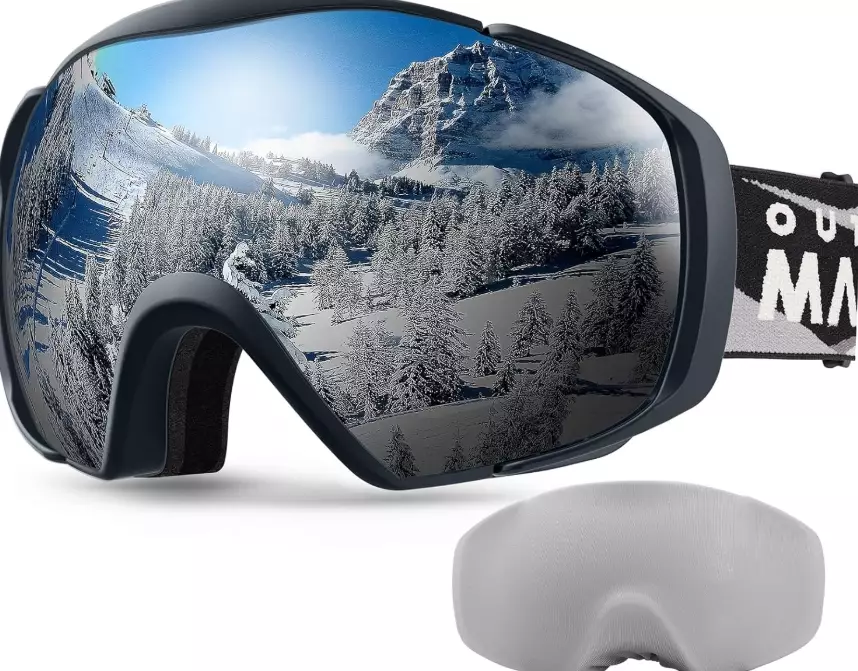
VLT (Visible Light Transmission): This percentage tells you how much light passes through the lens. Lower VLT = darker lens.
| VLT Range | Best For Conditions | Lens Color Examples | When to Avoid |
|---|---|---|---|
| 80% - 95% (Low Light) | Stormy days, flat light, dusk, night skiing | Clear, Yellow, Rose, Amber | Bright sunny days (too bright) |
| 40% - 60% (All-Around) | Partly cloudy, variable light, most common conditions | Brown, Copper, Rose Gold, Photochromic | Extreme low light or brilliant sun |
| 10% - 30% (Bright Sun) | Bluebird days, high-altitude, glaciers | Dark Grey, Dark Green, Iridium/Mirror coatings | Anything but full sun (dangerously dark) |
Lens Color/Tint: The color filters specific light wavelengths to enhance contrast.
- Rose/Amber/Yellow: Boost contrast in flat light by filtering blue light. They make the terrain "pop." My personal go-to for cloudy days.
- Brown/Copper: Excellent all-rounders. Enhance contours and depth perception well in mixed light.
- Grey: True color perception with minimal distortion. Best for bright sun but poor in flat light.
Coatings: The final layer. Mirror (Iridium) coatings reflect light away, making the lens darker and reducing glare. They're great for sun but can scratch. Anti-scratch coatings are a must. Always store your goggles in their soft bag.
Goggle Picks for Real-World Scenarios
Based on the framework above, here are models that consistently excel for specific needs. Prices are MSRP and fluctuate.
| Scenario / Skier Type | Top Model Picks | Key Features & Why It Works | Approx. Price |
|---|---|---|---|
| The Beginner / Value-Focused Rider (Needs versatility, ease of use) |
Smith Squad XL, Giro Contour | Large fit for over glasses, good ventilation, comes with a reliable all-light lens. No-fuss performance that won't hold you back. | $120 - $160 |
| The All-Mountain Enthusiast (Faces every condition, wants one quiver goggle) |
Oakley Flight Tracker Prizm, Anon M4 Toric | Features a top-tier photochromic lens (Prizm Photochromic or Perceive Toric Photochromic). Excellent field of view, magnetic lens swap (Anon), and premium fog prevention. | $250 - $300 |
| The Storm & Low-Light Specialist (Lives for powder days and gloomy weather) |
Smith I/O Mag XL with ChromaPop Storm Rose Lens, Dragon X2 | Prioritizes a huge, distortion-free view and a dedicated low-light lens (high VLT, rose tint). Magnetic lens systems allow quick changes if the sun comes out. | $270 - $320 |
| Over-Glasses (OTG) Necessity (Must wear prescription glasses underneath) |
Smith Knowledge OTG, Oakley L-Frame | Specifically designed with a deeper frame channel to accommodate glasses arms without pressure. Ventilation is optimized to handle the extra heat from layered eyewear. | $140 - $180 |
Mastering Fit and Beating Fog for Good
You can buy the best goggle and still have a bad time. Here’s how to win the battle.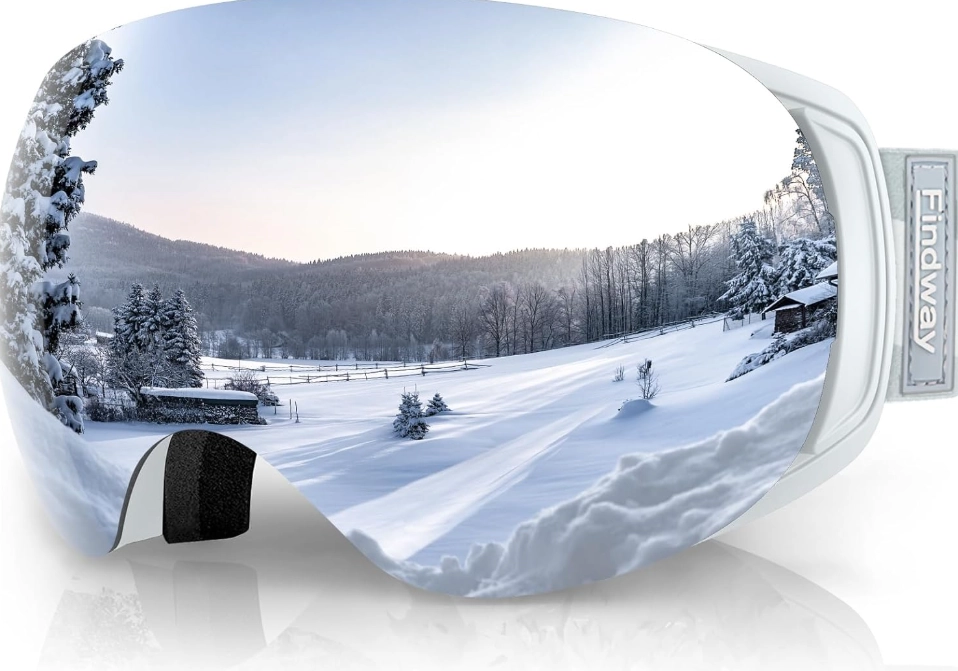
The Ultimate Anti-Fog Strategy:
- Manage Moisture at the Source: Fog is warm, moist air from your face hitting the cold lens. Before you put them on, let the lenses acclimate to outside air temperature. Don't store them in your warm jacket pocket and then slap them on your face.
- Hat & Helmet Hygiene: A wet beanie under your helmet is a fog machine. Use a thin, moisture-wicking skull cap or a helmet with good moisture management.
- Never Wipe the Inside: You will destroy the permanent anti-fog coating. If they fog on the inside, take them off and let them air dry. If you must, gently dab with a microfiber cloth.
- Keep Vents Clear: Don't cover the top vents with a hat or helmet flap. Ensure the foam filters aren't clogged with snow.
If fogging is chronic, it's often a fit issue. A gap at the top or bottom is letting your warm breath travel up into the goggle. Re-adjust your helmet and goggle interface.
Your Goggle Questions, Answered by a Seasoned Instructor
Can I wear my everyday sunglasses skiing if I have a helmet?
Please don't. Sunglasses offer zero protection from wind, sideways snow, or impacts. The lenses aren't impact-rated like goggle lenses (which must meet ASTM F659 standards). They also create dangerous blind spots at your periphery and will almost certainly fog up. It's a major safety compromise for minimal savings.
My goggles always fog the moment I stop moving. Are they defective?
Probably not defective—it's physics. When you stop, your body heat and breath have nowhere to go, overwhelming the ventilation. The pro move is to take your goggles off when you stop for a lengthy chat or lunch. Hang them on your helmet or in a warm, dry spot inside your jacket (not against your body). Putting them back on a cold, dry lens prevents the instant fog.
 Is it worth getting prescription inserts, or should I just get contacts?
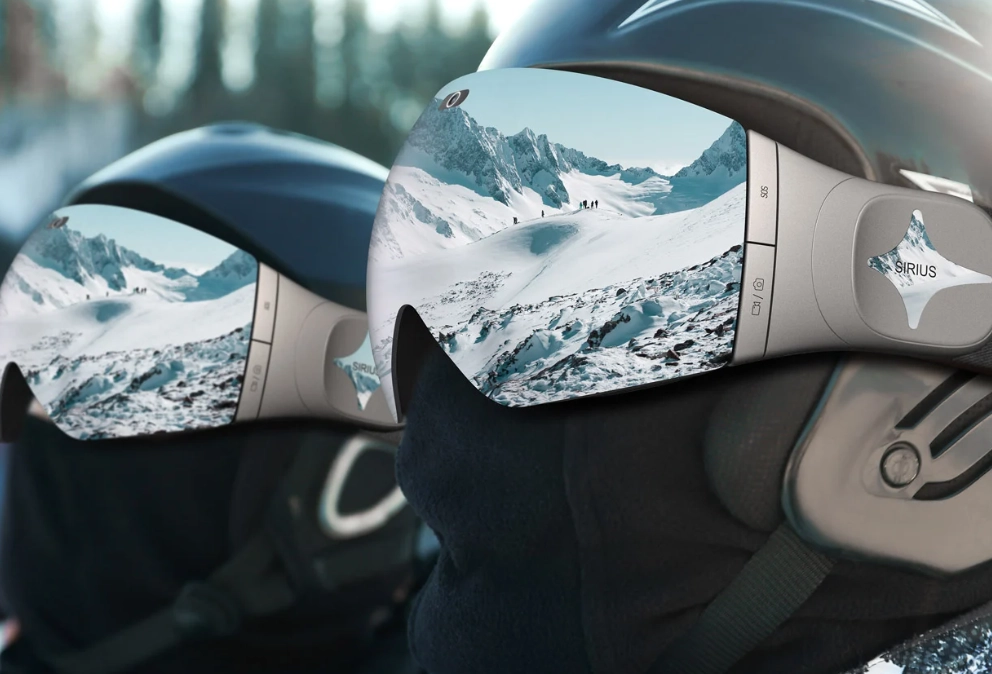
As someone who's used both, contacts are the superior performance option. They provide a full, unobstructed field of view. However, inserts (like those from SportRx or your goggle brand) are a fantastic solution if you can't wear contacts. Modern inserts are lightweight, sit close to your face, and pair with any goggle. The key is ensuring the insert frame doesn't interfere with the goggle's anti-fog venting channels—a good optician will know how to fit them.
How do I clean and store my goggles to make them last?
Avoid paper towels, shirt sleeves, and harsh chemicals. Use only a microfiber cloth designed for lenses. For grime, rinse with lukewarm water and use a drop of mild dish soap, then air dry. Never touch the inner anti-fog layer. For storage, always use the soft bag they came in. Don't leave them lens-down on a dashboard or anywhere they can get scratched or heated.
Related Articles

Comments
Join the discussion