The mountain air, the rush of speed, the stunning views—skiing is a sensation everyone should have the chance to experience. For individuals with physical, cognitive, or sensory disabilities, that chance is more real than ever. The world of adaptive skiing has evolved from a niche offering to a robust network of specialized programs and thoughtfully designed resorts. This isn't just about ramps and wide doorways; it's about a complete ecosystem built on specialized equipment, trained instructors, and a philosophy of inclusion. I've spent over a decade navigating this space, both personally and professionally, and I'm here to cut through the generic advice. Let's talk about what actually works, how to avoid common planning pitfalls, and where you can find the best support to get on the snow.
What You'll Find in This Guide
What Are Adaptive Skiing Programs? A Beginner's Guide
Think of an adaptive skiing program as your gateway and your support system. These are organizations, often non-profits, based at or near ski resorts that provide the specialized gear and instruction needed. The biggest mistake newcomers make is assuming their local ski school can "figure it out." A certified adaptive instructor undergoes hundreds of hours of training for specific disabilities—spinal cord injury, amputation, visual impairment, autism, you name it. They know how to modify teaching techniques and, crucially, how to safely operate equipment like sit-skis.
The program is usually where you'll rent your equipment. You don't just show up and get a mono-ski. There's an assessment process. An instructor will talk to you about your abilities, your goals (just getting down the bunny hill is a perfect goal), and any concerns. They'll match you with the right device and make sure it's fitted correctly. A poor fit in a bi-ski can be uncomfortable at best and dangerous at worst. This initial consultation is non-negotiable and often the most important part of your day.
How to Choose the Right Accessible Ski Resort: A Practical Checklist
Not all "accessible" resorts are created equal. A resort might have an adaptive program but its village could be a nightmare of steep, icy pathways. Your research needs to go beyond the ski school website. Here’s what to scrutinize:
On-Snow Accessibility: Does the resort have a dedicated, well-groomed learning area for adaptive skiers? Are there easy-to-access green circle trails from the top of key lifts? I've been to mountains where the only way off the lift was down a steep, narrow cat-track—terrifying for a first-timer in a sit-ski.
Village and Base Area Access: This is where many resorts fall short. Are the pathways between parking, lodging, rentals, and the lifts paved, level, and clear of snow and ice? Is there accessible, close-in parking? Are the lodges and restaurants genuinely navigable with a wheelchair or other mobility device, or are there steps everywhere?
The Program's Reputation: Look for longevity. A program that's been around for 20+ years has ironed out its kinks. Check if they are a member of Disabled Sports USA or Move United—this indicates professional standards. Read reviews, but look for details about instructor patience and equipment quality, not just general praise.
Lift Infrastructure: Detachable chairlifts (the ones that slow down for loading) are a game-changer. Older fixed-grip lifts require more speed and precision to load, which can be challenging. Does the resort have a magic carpet (a conveyor belt) in the learning area? This is far easier than a rope tow for many adaptive skiers.
Top Adaptive Ski Resorts in North America and Europe
Based on the depth of their programs, terrain variety, and overall accessibility infrastructure, here are my top picks. These places don't just accommodate; they excel.
Winter Park Resort, Colorado, USA. This is the gold standard in North America. It's the home of the National Sports Center for the Disabled (NSCD), one of the world's largest and most respected adaptive sports organizations. They have an enormous inventory of equipment and instructors for every imaginable disability. The resort itself has fantastic beginner and intermediate terrain, and the Mary Jane base area, while charming, can be hilly—something to note for village navigation. Contact NSCD directly for lessons and rentals, not the general resort ski school.
Whistler Blackcomb, British Columbia, Canada. The scale here is massive, and so is the Whistler Adaptive Sports Program. They offer everything from alpine skiing to sit-skiing on cross-country trails. A huge advantage is their full-day, one-on-one lesson format, which allows for a more relaxed, comprehensive experience. The Whistler Village is largely pedestrianized and relatively flat, making it one of the most accessible resort towns out there.
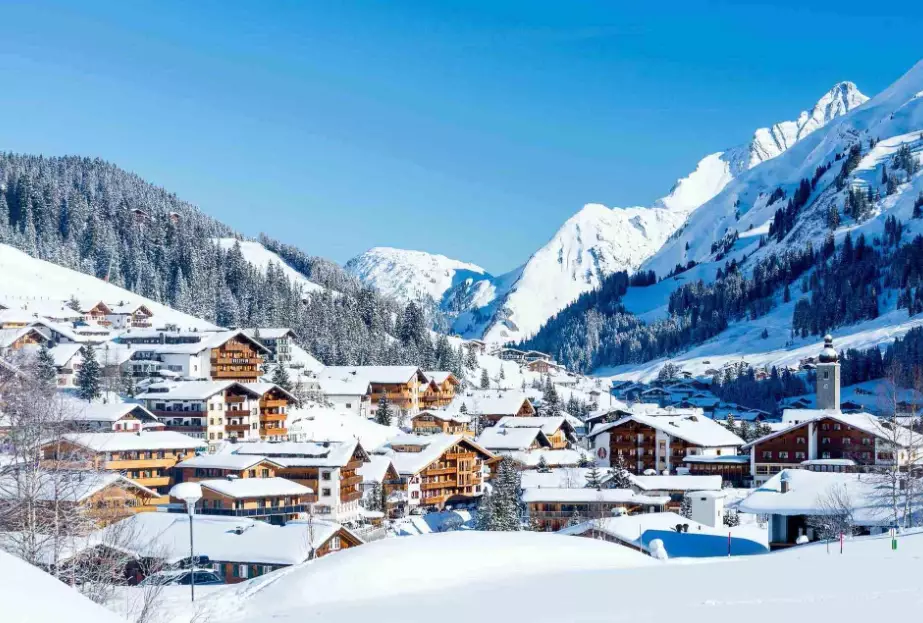
Austrian Alps Resorts (e.g., Sölden, Mayrhofen). Europe does accessibility differently. You'll often find fewer dedicated "programs" and more integration into the main ski school. The Ski School Sölden, for instance, has specially trained instructors and equipment. The Austrians are masters of mountain engineering—their gondolas and funiculars are almost always wheelchair-accessible. A tip: email the ski school directly with very specific questions about your needs; their English is usually excellent.
Other Notable Mentions
Park City Mountain Resort, Utah: Partnered with the National Ability Center, offering superb programs right next to a very accessible town.
Breckenridge, Colorado: The Breckenridge Outdoor Education Center has a long history of adaptive instruction and a great location.
Mammoth Mountain, California: Excellent, long season and a strong adaptive sports foundation through Disabled Sports Eastern Sierra.
Adaptive Skiing Equipment: From Mono-Skis to Bi-Skis
The equipment is what makes it possible. Renting from a program is the way to go for 99% of people, as these devices are complex and expensive ($5,000-$15,000+). Here’s a breakdown of the most common types.
| Equipment Type | Best For | How It Works | Key Consideration |
|---|---|---|---|
| Mono-Ski (Sit-Ski) | Skiers with lower-body mobility impairments (spinal cord injury, double amputation). | A molded bucket seat mounted on a single ski, with a shock absorber underneath. Uses outriggers (short forearm crutches with mini-skis) for balance and turning. | Requires strong core and upper body strength. Learning to get up after a fall is a skill in itself. A lift tether (handheld rope for the instructor) is often used on lifts. |
| Bi-Ski (Dual-Ski) | Skiers who need more stability, including those with higher-level spinal injuries or balance issues. | A wider, more stable seat mounted on two skis. Offers varying levels of support, from full instructor control via tethers to independent skiing. | Much more stable than a mono-ski, often the starting point for many. Can feel "bulky" to maneuver compared to a mono-ski. |
| 3-Track & 4-Track | Skiers with a single leg amputation or limb difference. | 3-Track: Skiing on one ski with two outriggers. 4-Track: Using two skis with two outriggers for additional balance. | Outriggers are critical. They are not just for balance; they are actively used to initiate turns, much like poles for stand-up skiers. |
| Visual Impairment Guides | Skiers who are blind or have low vision. | Skiing in tandem with a sighted guide who gives verbal commands (e.g., "left," "right," "slow") via Bluetooth helmet radios. | Trust and clear communication are everything. The guide skis slightly ahead and to the side, never pulling the skier. |
Planning Your Adaptive Ski Trip: A Step-by-Step Checklist
Six months to a year before your trip, start this process. It seems early, but it’s necessary.
1. Choose Your Resort & Program: Use the criteria above. Decide if you want a massive destination (Whistler) or a more intimate, program-focused mountain (Winter Park).
2. Contact the Adaptive Program FIRST: This is your most important call. Don't book flights or lodging until you've confirmed they have: a) Availability for lessons on your dates, b) The appropriate equipment for your needs, c) Instructors trained for your specific disability. Ask about their assessment process.
3. Book Accessible Lodging: Specify you need a truly accessible room. Ask pointed questions: Is there a roll-in shower with a seat? Are the doorways at least 32 inches wide? Is the building elevator-reliant, and if so, what's the backup plan if it fails? I once stayed at a "accessible" condo that had three steps to get into the building—useless.
4. Arrange Transportation: How will you get from the airport to the resort? Do you need an accessible van rental? Some resort towns have accessible shuttle services—research them.
5. Prepare Physically: Even sit-skiing is a workout. Focus on core and upper body strength. If you use a wheelchair, practice transfers (from chair to car, bed, etc.) as you'll be doing them a lot.
6. Pack Smart: Waterproof everything. Bring multiple layers. Hand and foot warmers are essential for those with circulation concerns. Don't forget sunscreen and lip balm—the sun is intense at altitude.
Your Adaptive Skiing Questions, Answered
Related Articles


Comments
Join the discussion