Picture this: you're carving turns down a pristine slope, cold air biting your cheeks. You look to your right and instead of pine trees, you see an endless expanse of rust-colored sand dunes stretching to the horizon. This isn't a dream. It's desert skiing, one of the most surreal and rewarding experiences for any adventurous skier or snowboarder. Forget everything you think you know about ski destinations. We're talking about finding real snow in the world's driest places, from the high Andes to the Atlas Mountains. I've chased these rare storms for years, and let me tell you, the effort is worth every second.
The magic lies in the contradiction. It feels impossible, which makes it irresistible.
What's Inside This Guide
What Exactly is "Desert Skiing"?
Let's clear up a common mix-up first. When people search for "snowfall in desert," they might be imagining two things. One is the literal, rare meteorological event where snow dusts a hot desert like the Sahara or Arabian Desert—a stunning sight, but not typically skiable. The other, and what this guide focuses on, is skiing in high-altitude or "cold" deserts.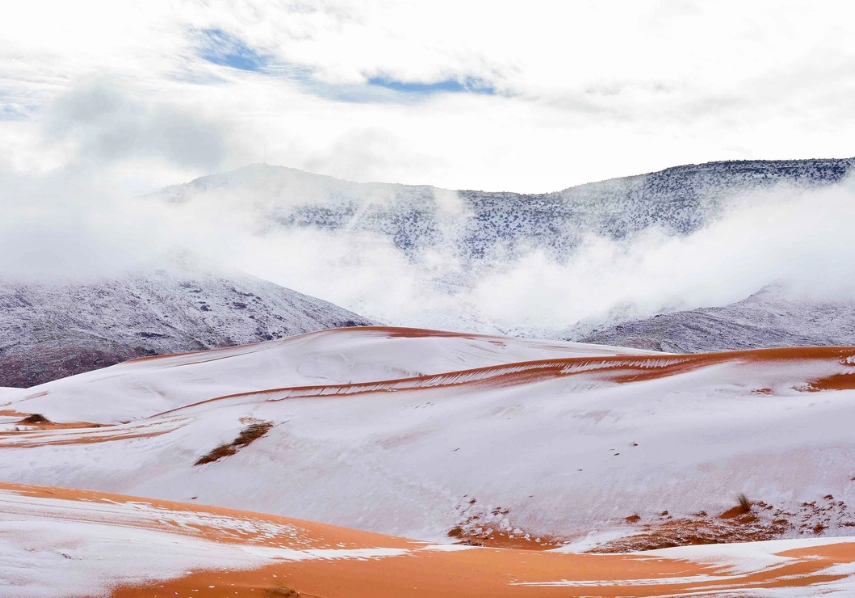
These are regions classified as deserts due to extremely low annual precipitation (like the Atacama in Chile, the driest place on Earth), but their high elevation means winter temperatures plummet, and any precipitation that does fall comes as snow. The snowpack accumulates on mountain ranges rising from the arid plains. That's where you ski.
It's not about skiing on sand (that's a separate sport called sand skiing). It's about skiing beside it, with vistas that blend white and ochre in a way you won't find in the Alps or the Rockies.
Key Takeaway: Desert skiing isn't a gimmick. It's accessing legitimate, often fantastic snow conditions in a geographically arid landscape. The appeal is the unique scenery, uncrowded slopes, and the sheer novelty of the environment.
Top 3 Desert Skiing Destinations You Can Visit
These aren't hypothetical spots. These are real resorts and zones where you can book a trip. I've skied at two of them and have guides and reports from trusted friends on the third.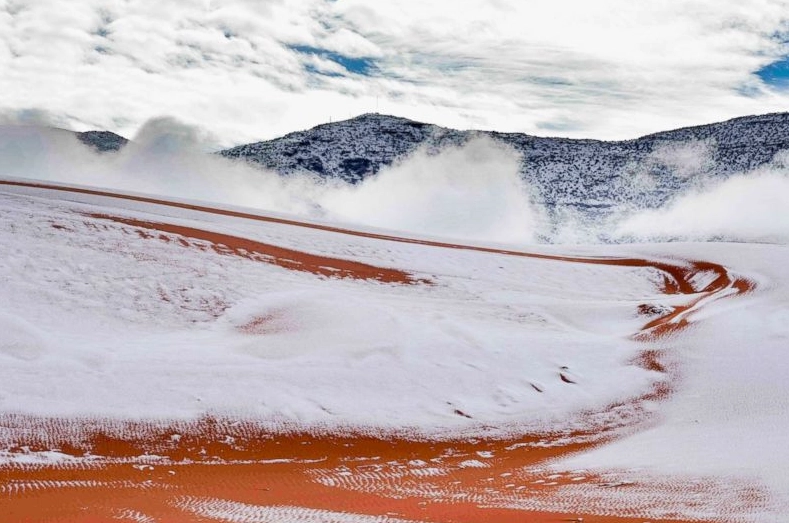
1. Portillo, Chile (The Classic)
Nestled in the Andes at 2,880m (9,450 ft), Portillo sits in a rain shadow from the Atacama Desert, guaranteeing dry, powdery snow and over 300 sunny days a year. The contrast is jaw-dropping: the bright yellow hotel sits by an emerald lake, surrounded by snow-capped peaks that look over toward vast, dry valleys.
- Season: Late June to early October. Peak snow is usually July-August.
- Getting There: Fly to Santiago (SCL). It's a 2-hour drive or pre-arranged transfer to the resort. The last part of the road, the Paso Internacional Los Libertadores, is an adventure in itself.
- Vibe & Terrain: Legendary for expert skiers (the Super C couloir is infamous), but has great intermediate cruising. It's a ski-only, week-long stay hotel, which creates a cool, communal atmosphere. Book very early.
- My Take: The snow quality is consistently superb. The high altitude hits you, so take the first day easy. The sun is intense—I got the worst goggle tan of my life here.
2. Ski Dubai, UAE (The Contrarian Choice)
Okay, hear me out. This is the other interpretation of desert skiing. It's an indoor ski resort in the middle of the Mall of the Emirates. While you're not skiing on natural snowfall, you're literally skiing on manufactured snow inside a desert city. For families or those seeking a quirky experience, it's unforgettable.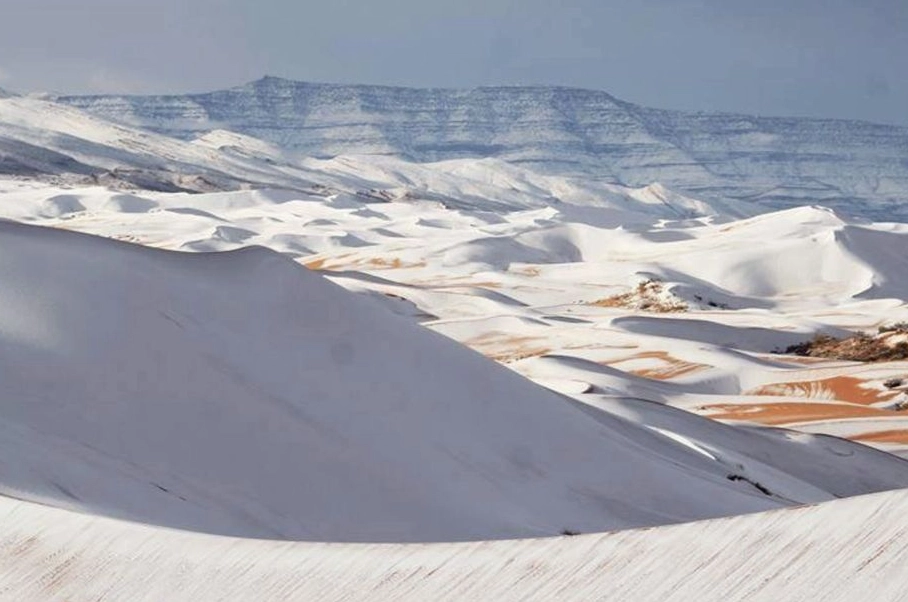
- Season: Year-round. It's always -1°C (30°F) inside.
- Getting There: In Dubai. Take the metro to Mall of the Emirates station.
- Cost & Slopes: Day passes start around 200 AED ($55 USD). It has five runs (the longest is 400m), a terrain park, and penguin encounters. It's small but surprisingly fun for a few hours.
- My Take: Don't expect backcountry. Do expect to laugh at the absurdity of wearing a parka in the desert. It's a perfect activity for a layover or a non-beach day. The snow feels a bit icier than real powder, but it skis just fine.
3. The "Powder Mountain" of Utah, USA (The Hidden Gem)
Parts of Utah's Wasatch Range lie in the rain shadow of larger mountains, creating a localized arid, "cold desert" climate. While not a Sahara-like desert, the environment feels stark and dry. The bonus? The famous Utah powder is so light and dry because of the low humidity—a desert-like condition. Resorts like Snowbasin or backcountry zones in the San Rafael Swell area offer this feel.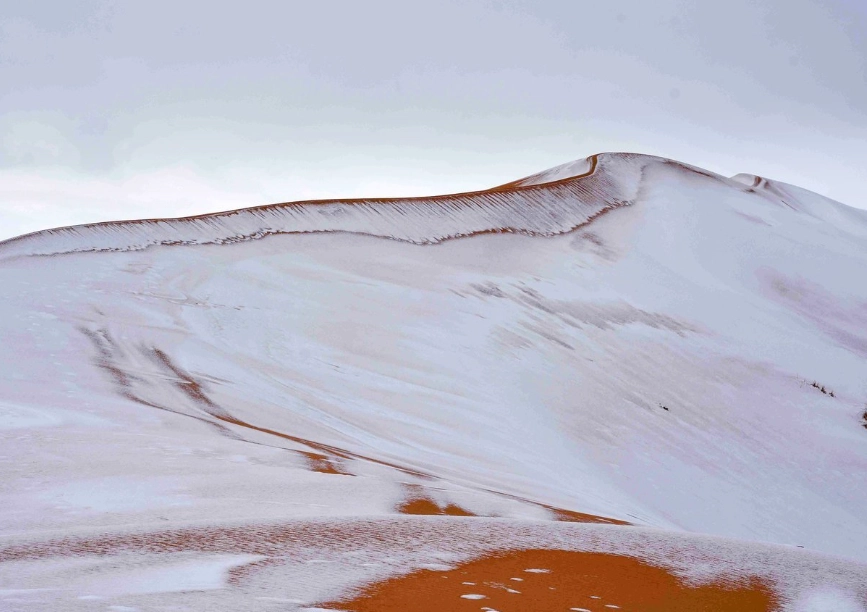
- Season: Standard North American winter, December to April.
- Logistics: Fly to Salt Lake City (SLC). Many resorts are within a 90-minute drive.
- Why it Counts: You get world-class skiing with dramatic, rocky, minimally forested vistas that feel more rugged and open than the typical mountain scene. The light is different—sharper, clearer.
| Destination | Country | Best For | Natural Snow? | Key Challenge |
|---|---|---|---|---|
| Portillo | Chile | Expert skiers, powder hounds | Yes | Altitude, advanced booking |
| Ski Dubai | UAE | Families, novelty, year-round access | No (indoor) | Limited terrain, cost for short sessions |
| Utah's Dry Slopes | USA | Accessibility, dry powder, backcountry | Yes | Variable conditions, avalanche risk (backcountry) |
How to Prepare for a Desert Ski Trip: Gear & Logistics
Packing for the Alps won't cut it. The desert environment adds specific wrinkles.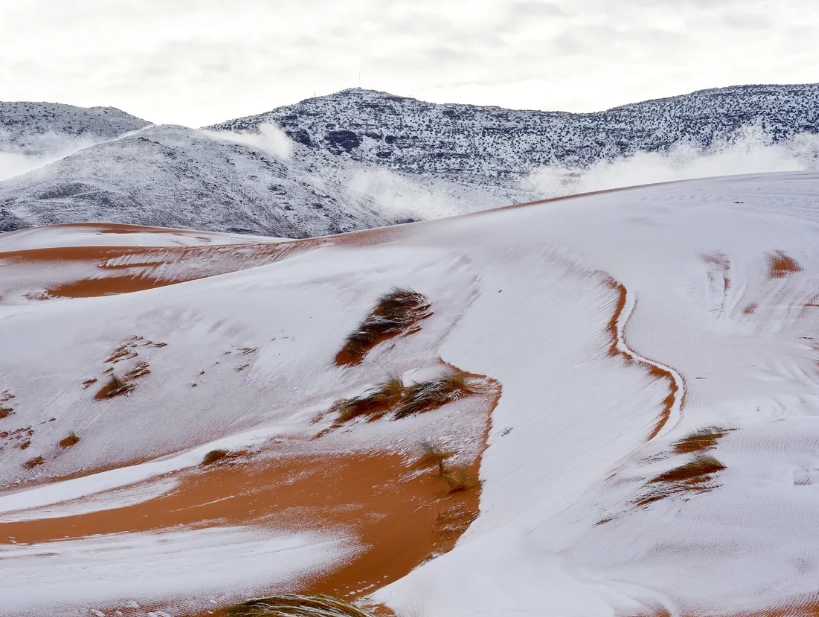
The Non-Negotiable Gear List
- Layering System: A moisture-wicking merino wool base layer, a lightweight insulated mid-layer (fleece or thin puffer), and a highly breathable, waterproof shell. You'll be putting the shell on and off all day.
- Sun Protection is Armor: SPF 50+ sunscreen, lip balm with SPF, and a neck gaiter or buff. Consider low-light lenses for your goggles—the sun is blinding but so is the reflected UV from the snow.
- Hydration Pack: Dry air and altitude dehydrate you faster. A backpack with a water bladder is better than a bottle.
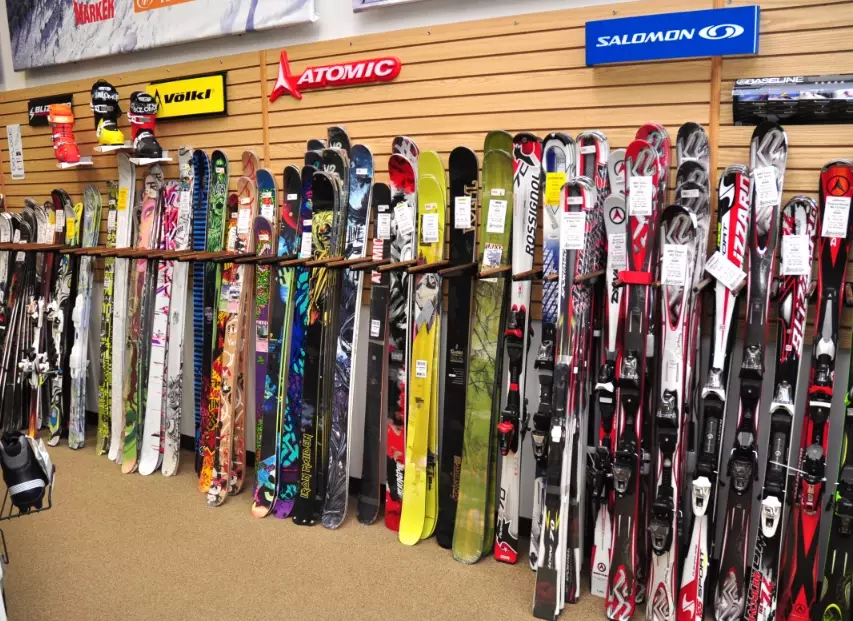
- Skis/Snowboard: All-mountain gear works. For deep powder in places like Portillo, consider something a bit wider underfoot.
Logistics & Timing
For natural snowfall in desert regions, timing is trickier than checking a resort's opening day. You're often dealing with shorter, more volatile seasons. I rely on a mix of:
- Historical climate data (sites like Snow-Forecast.com have long-range charts). >
- Local guiding companies' blogs and social media—they post real-time condition updates.
- Forums like Teton Gravity Research or SnowsBest for recent trip reports.
Book flights with some flexibility if you can. Aim for the historical peak, but be ready for a last-minute decision based on that season's storm cycle.
Pro Tips from a Decade of Chasing Desert Snow
Here's the stuff you won't find on a resort's official website.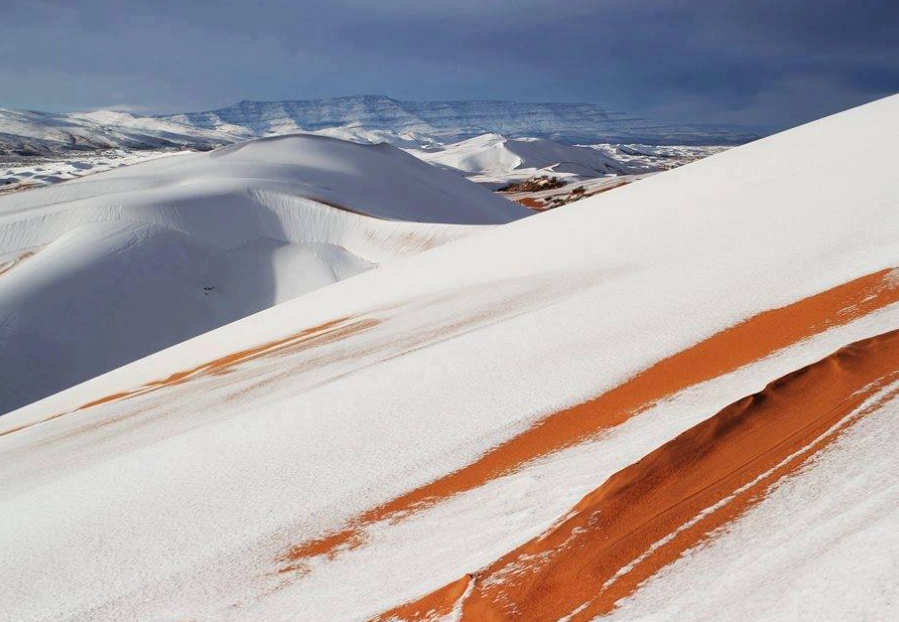
On Snow Quality: Desert snow can be the best powder you'll ever ski—cold smoke that billows over your shoulders. But it can also turn into a nasty, sun-baked crust by afternoon if there's no new snow. Start early. Be the first on the lift. The corduroy at 9 AM turns to concrete by 2 PM on a sunny day.
On Photography: The light at dawn and dusk is magical—the "golden hour" lasts longer. The contrast between the blue shadows on snow and the warm hues of the rock is a photographer's dream. Pack a polarizing filter to cut the glare.
The Crowd Factor (or Lack Thereof): This is a huge perk. Outside of Portillo's specific weeks, these areas are empty compared to mega-resorts. You'll have runs to yourself. The silence, broken only by the sound of your edges, is profound.
A Negative to Consider: The very thing that creates the snow—the high altitude and dry air—can be brutal. Altitude sickness is a real risk. Acclimatize in a nearby city for a day if possible. Drink twice as much water as you think you need. I learned this the hard way with a pounding headache on day one in Chile.
Your Burning Questions Answered
Chasing snow in the desert is more than a trip; it's a reset for your sense of what's possible in the mountains. It strips away the familiar—the pine trees, the alpine villages—and leaves you with the raw elements: rock, sand, sky, and snow. It's challenging, logistically fussy, and utterly unforgettable. Start watching those long-range forecasts for the Andes. Your most unique ski story is waiting.
Related Articles
Comments
Join the discussion