Your Ski Adventure Roadmap
- Why Asia? And Why It's a Fantastic Choice for Beginners
- The Top Contenders for Asia's Best Beginner-Friendly Ski Resorts
- How to Choose Your Asia's Best Ski Resort Near Galveston TX for Beginners
- The Texan's Step-by-Step Trip Planning Guide
- Packing List: Beyond the Ski Gear
- Your Asia Beginner Ski Trip FAQ
Let's be real for a second. If you're sitting in Galveston, Texas, typing "Asia's best ski resort near Galveston TX for beginners" into Google, you've already made a fascinating leap. Near Galveston? Not exactly. The nearest real snow to Galveston is probably a well-stocked freezer. But what you're really asking—and what I totally get—is this: "I'm from this part of Texas, I'm new to skiing, and I want an amazing, beginner-friendly ski experience in Asia. Where should I go and how do I even start?" It's a brilliant idea, by the way. Swapping Gulf Coast humidity for crisp mountain air and powdery slopes.
I remember planning my first Asia ski trip. The overwhelm was real. Japanese resort websites were in, well, Japanese. I had no clue about the snow quality difference between Hokkaido and the Alps. Were lessons in English even a thing? I made some costly mistakes (overpaying for gear rental is a rite of passage, it seems). So, consider this your friendly, experienced cheat sheet. We're going to cut through the noise and find what truly makes for Asia's best ski resort near Galveston TX for beginners—meaning, the resorts that are most welcoming, manageable, and magical for first-timers from our corner of the world.
The Core Idea: When we talk about "Asia's best ski resort for beginners," we're not just looking for a hill with a bunny slope. We're looking for a complete ecosystem: gentle, wide-open terrain; excellent, English-speaking ski schools; a comfortable, non-intimidating village vibe; and easy logistics to get you from Galveston's airport (likely George Bush Intercontinental - IAH) to the slopes without a dozen stressful connections.
Why Asia? And Why It's a Fantastic Choice for Beginners
You might wonder why skip Colorado or Canada for Asia. For beginners, Asia offers some unique advantages. First, the snow. Japan's northern island of Hokkaido gets dumped on by some of the lightest, driest powder on the planet—they call it "Japow." For a beginner, this isn't just a luxury; it's a safety feature. Falling on this super-soft, fluffy snow is a dramatically more forgiving experience than on the icier, harder-packed snow common in many North American resorts later in the season. It builds confidence fast.
Second, the culture of service. Japanese and South Korean resorts operate with a level of meticulous care and politeness that can make a nervous beginner feel incredibly looked after. From the rental shop staff patiently helping you with boots to the orderly lift lines, the experience is often less chaotic than some major Western resorts.
Third, the combo trip potential. Let's face it, flying from Texas to Asia is a big journey. Making it just a ski trip might feel like a lot. But these destinations let you pair incredible skiing with unique cultural experiences—onsen (hot spring) baths after a day on the slopes, incredible food, and vibrant cities like Tokyo or Seoul just a train ride away. It turns a ski vacation into the adventure of a lifetime.
But it's not all perfect.
A Reality Check: The biggest hurdle is the travel. From Houston, you're looking at a 13+ hour flight to Tokyo or Seoul, followed by a domestic flight or a long train ride to the mountains. Jet lag is a real factor. And while English is common in ski school, venturing off-resort can involve a language barrier. For a pure, straightforward, logistically simple beginner trip, a resort in Colorado might be easier. But for an unforgettable experience that blends sport and culture, Asia is unbeatable.
The Top Contenders for Asia's Best Beginner-Friendly Ski Resorts
Based on miles of gentle green runs, the quality of ski schools, overall accessibility, and that intangible "wow" factor, two destinations in Asia stand head and shoulders above the rest for beginners: Niseko United in Hokkaido, Japan, and Yongpyong Resort in Gangwon-do, South Korea. They cater to international visitors brilliantly.
Niseko United, Hokkaido, Japan: The Powder Paradise
Niseko isn't a single resort; it's a interconnected complex of four main ski areas (Grand Hirafu, Hanazono, Niseko Village, and Annupuri). This is arguably the most famous ski destination in Japan for international visitors, and for good reason. For beginners seeking Asia's best ski resort near Galveston TX, Niseko is a prime candidate.
The beginner terrain here is not an afterthought. Wide, meticulously groomed green runs spill down the mountain, offering stunning views of the iconic Mt. Yotei. The ski schools, like Niseko International Snowsports School (NISS) or GoSnow, have large teams of English-speaking instructors who are specialists in teaching adults and children from day one. The rental gear is top-notch and modern.
What I loved: The sheer amount of beginner terrain meant I never got bored. I could spend a week on different green runs. The village at Grand Hirafu feels bustling and international, with signs in English and restaurants serving everything from ramen to pizza. The apres-ski ritual of soaking in an onsen while snow falls around you is pure magic.
What gave me pause: It's popular. Peak season (late December to February) can get crowded, especially on the main lifts out of Hirafu. It's also one of the more expensive options in Asia. The very thing that makes it great—its international popularity—can sometimes dilute the "Japanese immersion" feeling some travelers seek.
Logistics from Texas: Fly Houston (IAH) to Tokyo Narita (NRT), then a connecting flight to New Chitose Airport (CTS) near Sapporo. From CTS, a pre-booked shuttle bus (about 2.5-3 hours) will take you straight to Niseko. It's a long haul, but the journey is well-trodden by tourists.
Yongpyong Resort, South Korea: The Olympic-Grade Gem
Host of the 2018 PyeongChang Winter Olympics alpine events, Yongpyong is a massive, modern resort that takes its skiing seriously. For beginners, it's a dream because of its dedicated and perfectly sloped "Rainbow" area. This is a huge, separate zone of wide, gentle slopes designed explicitly for first-timers and families. You won't have to worry about expert skiers zooming past you here.
The ski school is excellent, and English instruction is readily available. The resort itself is a giant, all-in-one complex with multiple hotels, a casino, and various dining options. It's efficient, clean, and incredibly well-organized.
My take: If your goal is to focus purely on learning to ski in a controlled, purpose-built environment, Yongpyong's Rainbow area is arguably the best single beginner zone in Asia. The quality of the snowmaking (crucial in Korea where natural snowfall can be less than Hokkaido) ensures good conditions. It feels less like a quaint mountain village and more like a comprehensive sports and leisure facility—which has its own advantages.
Logistics from Texas: Fly Houston to Seoul Incheon (ICN). From there, you can take a comfortable, direct limousine bus (about 3 hours) from the airport to the resort. This direct ground transfer is often easier than dealing with another domestic flight.
| Resort Feature | Niseko United (Japan) | Yongpyong Resort (Korea) |
|---|---|---|
| Best For | Beginners who want iconic powder, vibrant village life, and cultural immersion (onsen, food). | Beginners who want a dedicated, spacious learning area, ultra-modern facilities, and straightforward logistics. |
| Beginner Terrain Vibe | Extensive green runs integrated across a large, interconnected resort area. | Massive, separate "Rainbow" zone designed solely for beginners and families. |
| Ski School | Multiple world-class, English-speaking schools (e.g., NISS, GoSnow). Slightly more expensive. | Excellent, professional English-speaking instruction. Often very good value for money. |
| Apres-Ski & Culture | Rich: Onsen baths, diverse international dining, lively bars. Feels like an adventure. | Contained: Resort hotels, indoor pool, bowling, casino. Convenient but less "towny." |
| Travel Ease from Texas | Longer: Flight to Tokyo + domestic flight to Sapporo + shuttle bus (total ~20+ hours travel). | Simpler: Flight to Seoul + direct bus from airport to resort (total ~17+ hours travel). |
| Cost (Mid-Season) | $$$ (Higher for lodging, food, and lessons). | $$ (Generally more affordable overall). |
So, Niseko or Yongpyong? It's a choice between a cultural powder pilgrimage and a streamlined, Olympic-grade learning experience.
How to Choose Your Asia's Best Ski Resort Near Galveston TX for Beginners
Beyond the big two, here’s what to filter for. Don't just pick the prettiest website.
Your Decision Checklist:
- Green Circle Ratio: What percentage of the total runs are beginner (green) slopes? A resort with 30%+ green runs is thinking about you. Resorts like Nozawa Onsen in Japan are charming but have steeper, narrower traditional runs that can intimidate a first-day beginner.
- English-Language Support: This is non-negotiable. Check the ski school website. Do they list English-speaking instructors? Can you book lessons online in English? Are rental shop signs and lift maps bilingual?
- On-Mountain Navigation: Are the beginner areas logically laid out? Is there a "magic carpet" surface lift (easier than a chairlift on day one) to get you started? Can you ski from your accommodation to the lifts (ski-in/ski-out)? This convenience is worth paying a premium for as a beginner.
- Family-Friendliness: If you're traveling with kids, look for dedicated children's ski schools, kids' parks, and non-skiing activities. Both Niseko and Yongpyong excel here.
I made the mistake once of choosing a resort for its "authentic" charm, only to find the one English-speaking instructor was booked solid for the week. I spent three days falling on a slope called "Beginner's Luck" that felt anything but lucky. Book your lessons before you go, especially if traveling during peak season (Christmas/New Year's, Chinese New Year).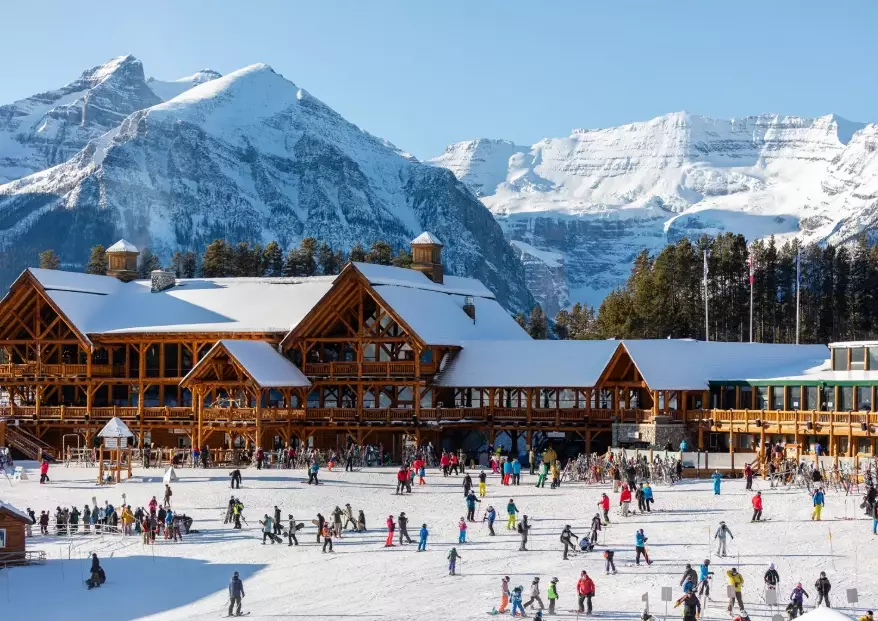
The Texan's Step-by-Step Trip Planning Guide
Let's make this practical. You've decided Asia is the call. Here's how to build your trip.
Step 1: Timing is Everything
The best season for beginners is mid-January to late February. The holidays are over, the snowpack is deep and reliable, but the crowds have thinned slightly. Avoid early December—snow cover can be iffy. March can be lovely with longer days and softer snow, but it's "spring skiing," which means the snow can get slushy by afternoon.
Step 2: The Flight Path from Galveston/Houston
You'll be flying out of IAH. For Japan, you'll likely connect through Tokyo (Narita or Haneda). For Korea, you'll fly direct to Seoul Incheon. Use flight search engines with flexible dates. Sometimes flying a day earlier or later can save hundreds. Consider spending one night in Tokyo or Seoul on arrival to break up the journey and combat jet lag before heading to the mountains. The official Japan National Tourism Organization website and Korea Tourism Organization website have excellent travel planning resources.
Step 3: Booking Your Mountain Home
For your first trip, prioritize convenience over charm. A true ski-in/ski-out hotel or condo, even if it's a bit more expensive, will transform your experience. Hauling gear on shuttles as a beginner is misery. In Niseko, look for lodging in Hirafu near the Family Chairlift. In Yongpyong, any of the resort hotels (like the Dragon Valley Hotel) will put you steps from the Rainbow slopes.
Pro-Tip from a Past Mistake: I once booked a "5-minute walk to lifts" place. In summer, maybe. In deep winter, wearing ski boots and carrying skis, it was a 15-minute ordeal of slipping and grumbling. That "short walk" felt like a marathon twice a day. Pay for the ski-in/ski-out. Thank me later.
Step 4: Gear – Rent, Don't Bring
As a beginner flying from Galveston, do not bring your own skis, boots, or helmet. The baggage fees and hassle are insane. Asian resort rental shops have high-quality, modern, well-maintained equipment. You can book full packages (skis, boots, poles, helmet) online in advance. When you arrive, the staff will spend time fitting you properly—especially important for boots. This also lets you try different ski types as you progress.
Step 5: Structuring Your Ski Days
Don't try to ski all day, every day. You'll be exhausted and sore. A perfect beginner schedule: Book a 3-hour morning group lesson for your first 2-3 days. Practice what you learned over lunch. In the afternoon, maybe take one gentle run or just relax—go to an onsen, explore the village, drink hot chocolate. Listen to your body. The goal is fun, not endurance training.
Packing List: Beyond the Ski Gear
You'll rent the big stuff. Here’s what you must bring from Texas:
- Base Layers: Merino wool or synthetic thermal tops and bottoms. Cotton is the enemy—it gets wet and stays cold.
- Mid Layer: A fleece or lightweight puffy jacket.
- Socks: Proper ski socks (merino wool, knee-high). Don't wear two pairs of regular socks; it causes blisters.
- Eye & Skin Protection: High-quality UV-blocking sunglasses AND goggles (goggles for snowy/windy days). Sunscreen and lip balm with high SPF. The mountain sun is intense, reflected off the snow.
- Extremities: Good gloves or mittens (mittens are often warmer for beginners), a neck gaiter or balaclava, and a warm hat that fits under your helmet.
- Apres-Ski: Comfortable shoes, casual clothes, swimsuit for the onsen (many are communal and require no clothing).
Pack light for the flight, but be smart about the layers.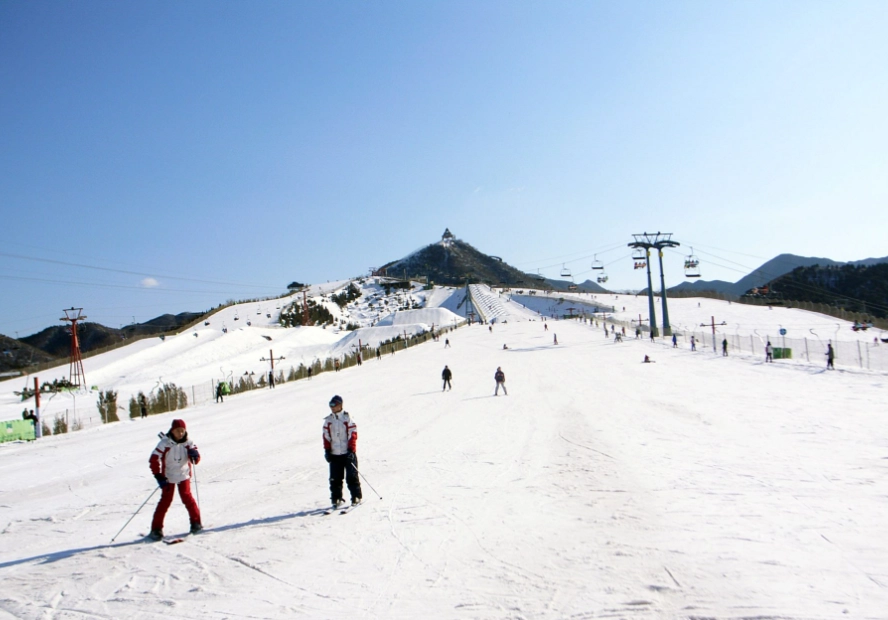
Your Asia Beginner Ski Trip FAQ
So there you have it. The search for Asia's best ski resort near Galveston TX for beginners isn't about geography—it's about finding the gateway to an incredible new experience. Whether you choose the powdery, onsen-filled wonderland of Niseko or the efficient, beginner-focused slopes of Yongpyong, you're setting yourself up for a trip that's about so much more than just skiing. It's about trading your beach towel for a pair of skis, the Gulf breeze for mountain air, and creating stories that start with, "Remember that time we learned to ski in Asia?"
The planning seems like a lot, but tackle it one step at a time: pick your resort, book flights and a convenient hotel, secure your ski school lessons, and pack the right layers. The rest—the feeling of gliding on snow, the warmth of the onsen, the taste of a well-earned meal—will fall into place. The mountains are waiting.
Related Articles
Comments
Join the discussion