Alright, let's talk skis. You're standing there, maybe in a shop or scrolling online, and the question hits you: what are the best ski brands out there? It's a minefield. Every brand claims to be the best, every ski promises to change your life. I've been there, wasted money on the wrong pair because the marketing was good. It stings.
The truth is, there's no single "best" brand. Asking what are the best ski brands is like asking what's the best food. It depends entirely on what you're hungry for, or in this case, how you ski, where you ski, and what you want to feel under your feet. A brand that's legendary for bomber, hard-charging freeride skis might make a park ski that feels dead to me. And a freestyle specialist's powder ski might fold like a noodle if you push it too hard on groomers.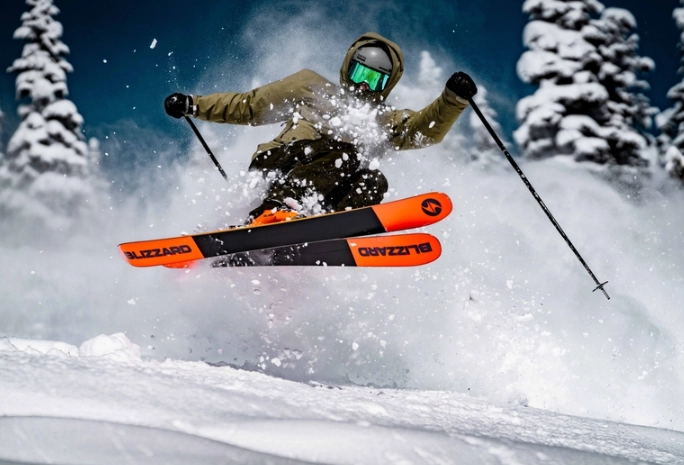
So instead of just giving you a list, we're going to dig into what makes these top players tick. We'll sort them by what they're genuinely great at, warts and all. I'll throw in my own experiences, the good and the bad, and by the end, you'll have a clear picture of which brands are worth your hard-earned cash for your specific needs. Let's get into it.
The Core Idea: The best ski brand for you is the one that aligns with your skiing style, ability level, and local terrain. A brand's reputation is built on a specific engineering philosophy. Finding a match there is more important than buying the "hottest" name.
Forget the Hype: How to Actually Judge a Ski Brand
Before we name names, let's set the ground rules. How do you separate marketing fluff from real performance? When you're researching what are the best ski brands, look beyond the shiny topsheets.
First, heritage and consistency. A brand that's been pushing a particular technology for decades probably knows what they're doing. But be wary of brands that radically change their lineup every year chasing trends—it can mean they haven't nailed a core identity.
Second, construction quality. This is huge. Some brands cut corners with lighter, weaker cores or cheap sidewalls to hit a price point. It might ski okay for a season, then turn to mush. Others are overbuilt tanks. You need to know which is which. I learned this the hard way with a pair of "bargain" all-mountain skis that delaminated after 20 days.
Third, who actually rides for them? Look at the brand's athlete roster. Are they filled with World Cup racers? Big mountain skiers filming in Alaska? Park legends? That tells you where the brand's R&D focus and soul lies. The skis their top pros ride trickle down to what you can buy.
And finally, feel. This is subjective but critical. Some brands engineer a damp, quiet, stable feel. Others go for poppy, lively, and quick. Neither is wrong, but one will suit you better. We'll get into that.
The Heavy Hitters: Top Ski Brands Broken Down by Category
Here’s the meat of it. I’ve grouped the top contenders not just by popularity, but by their core strengths. Think of this as your menu.
The All-Mountain Kings & Queens (The Do-It-All Workhorses)
These brands have built their empires on skis that perform reliably everywhere. They're the safe bet for most recreational skiers who want one quiver-killer.
Blizzard: If I had to pick one brand known for exceptional build quality and versatile performance, it's Blizzard. Their Bonafide and Rustler series are benchmarks. They use a lot of metal in their laminates, which gives that famous damp, stable, confidence-inspiring feel at speed. They're not the lightest or the most playful, but they're incredibly reliable. Their partnership with the Atomic group (part of Amer Sports) gives them access to top tech. A friend calls his Bonafides "the pickup truck of skis"—not glamorous, but they always get the job done.
Nordica: Another titan in the all-mountain space. The Enforcer line is legendary for a reason. They blend power and accessibility like few others. The newer Enforcers have shed some weight and become more maneuverable without losing their backbone. They have a slightly more forward, energetic feel compared to Blizzard's planted dampness. Great for skiers who want power but aren't charging at 100% all day.
Head: Don't sleep on Head. Their World Cup racing pedigree (think FIS World Cup dominance) translates into skis with incredible edge grip and precision on hard snow. The Kore series is a masterclass in using modern materials (like graphene) to create skis that are light yet strong. They feel sharp, direct, and incredibly responsive. If your home mountain is icy or you love carving trenches, Head deserves a long look.
The Freeride & Big Mountain Specialists (For the Off-Piste Adventurers)
When the snow dumps and you're heading for the steep and deep, these are the brands that live for it.
Moment: This is a personal favorite and a brand that embodies the independent, skier-owned spirit. Based in Reno, Nevada, they hand-build their skis in the USA. They are notoriously durable and have a cult following for good reason. The Deathwish and Wildcat are icons. They have a unique, surfy, yet stable feel that excels in variable snow. You're supporting a small team of passionate skiers, and the quality is through the roof. I've put my Deathwishes through rocks and stumps that would have killed lesser skis.
Black Crows: The French brand that took the freeride world by storm with iconic design and a clear focus on off-piste performance. Skis like the Corvus and Atris are designed for making big, fast turns in open terrain. They're often lighter and more maneuverable in tight spots than some burly American counterparts. The hype is real, but they can feel a bit specialized—less ideal as a daily driver on firm days.
4FRNT: Another passionate, skier-driven brand with deep roots in the freeskiing community. They're known for progressive shapes and designs that often push boundaries. The MSP series (designed with Eric Hjorleifson) is a testament to building skis for powerful, aggressive skiers. They offer a very direct, connected feel. Like Moment, you're buying into a specific philosophy and community.
A Word of Caution on Freeride Brands: Many of these skis are designed for experts in soft snow. They can feel punishing, hooky, or just plain awkward for beginners or intermediates, or on hardpack. Don't buy a big mountain ski because it looks cool if you ski mostly groomers.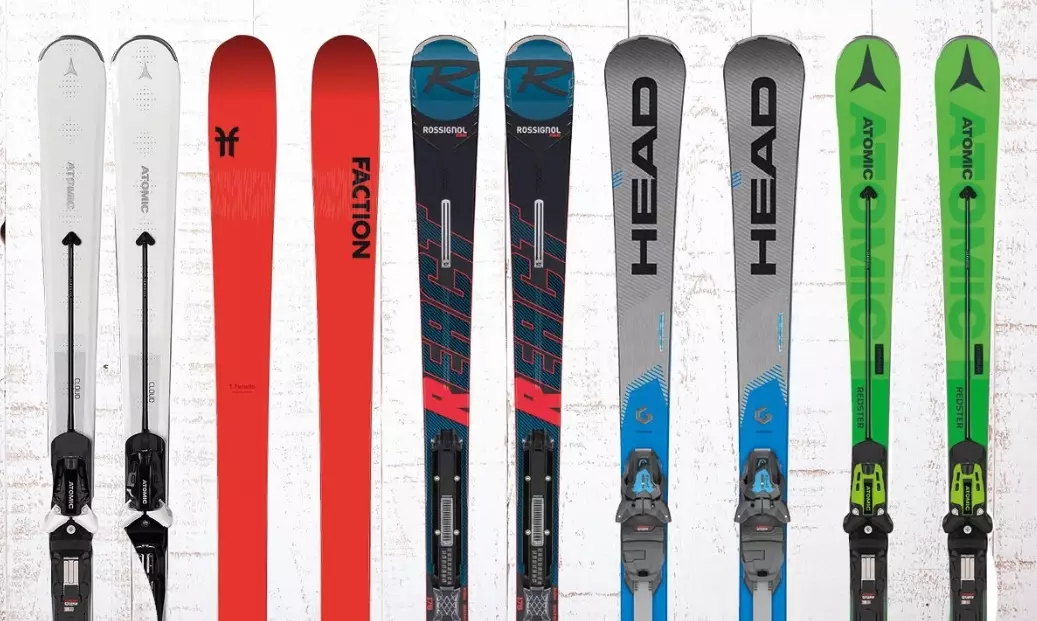
The Freestyle & Park Legends (For the Playful Souls)
Butter, spin, slide, and press. These brands own the terrain park and the playful mindset.
Armada: Simply put, Armada is freestyle skiing for many people. Founded by pro skiers, the ARV series is the gold standard for a twin-tip that can handle the whole mountain. They perfected the blend of park performance and all-mountain capability. Skis like the ARV 106 are ridiculously fun—poppy, forgiving, and surprisingly capable in powder. If your skiing has a playful, creative vibe, start here.
Line: The original twin-tip pioneers. Line skis are the definition of fun-first. They're typically lightweight, soft-flexing, and incredibly easy to manipulate. The Sick Day and Chronic models are favorites for skiers who prioritize smiles over straight-line speed. The trade-off? They can get deflected in chop and aren't the most stable at mach speed. But for jibbing, spinning, and surfing around the mountain, they're hard to beat.
Faction: The Swiss brand with massive athlete appeal (Candide Thovex, anyone?). They make seriously high-performance freestyle and freeride skis. The Agent and Prodigy lines are stiff, powerful, and built for pros sending it to the moon. They're less forgiving than Armada or Line, offering a more demanding, precise tool for experts who want to take freestyle tricks into big mountain lines.
Side-by-Side: A Quick Comparison Table
To make things visual, here's a snapshot of how some of these top brands stack up in key areas. Remember, this is a generalization across their lineups.
| Brand | Core Strength | Typical "Feel" | Best For Skier Type | Build Quality Rep |
|---|---|---|---|---|
| Blizzard | All-Mountain Versatility | Damp, Stable, Powerful | Advanced to Expert Chargers | Exceptional |
| Nordica | Accessible Power | Energetic, Grippy, Forgiving | Intermediate to Advanced All-Mountain | Excellent |
| Moment | Freeride & Durability | Surfy, Stable, Damp | Expert Off-Piste Skiers | Overbuilt/Tank-like |
| Armada | Freestyle & Playfulness | Poppy, Lively, Forgiving | Park & Playful All-Mountain | Very Good |
| Head | Carving & Precision | Direct, Responsive, Sharp | Carvers & Hard-Snow Enthusiasts | Excellent |
| Black Crows | Freeride & Style | Light, Maneuverable, Surfy | Advanced/Expert Off-Piste | Good |
See how it changes? This is why asking "what are the best ski brands" needs context.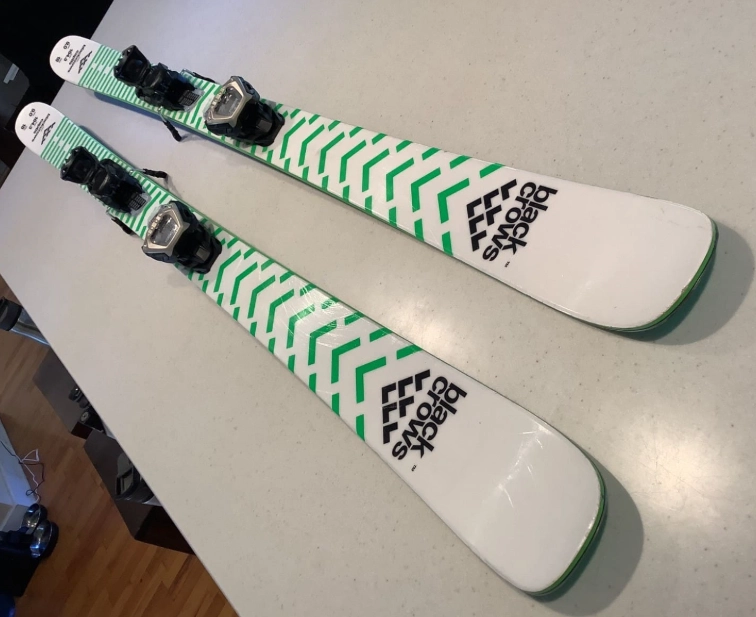
How to Make Your Final Decision: A Practical Checklist
Okay, you've got the intel. Now, how do you choose? Let's get tactical.
1. Audit Your Last Season. Be brutally honest. Where did you ski most? Groomers? Bumps? Deep powder days in the trees? Did you wish your skis were quicker, more stable, or easier to turn? Your past frustration is your best guide.
2. Match the Brand to Your Terrain. If you ski in Vermont or the East Coast, prioritize edge hold and hard-snow performance (Head, Blizzard, Stockli). If you live for Utah or Colorado powder days, lean into the freeride specialists (Moment, 4FRNT, Black Crows). Midwest? Maybe an all-mountain carver is your jam.
3. Consider Your Quiver. Are you buying your one-and-only ski? Then a true all-mountain brand like Blizzard or Nordica is a safer bet. Are you adding a dedicated powder or park ski? Now you can niche down to a specialist like Armada or Moment.
4. Demos Are Non-Negotiable. I can't stress this enough. Reading reviews (even this one!) is no substitute for feeling the ski underfoot. Most good shops have demo programs. Use them. Try a Blizzard and a Nordica back-to-back. The difference will be obvious and will tell you more than any article.
5. Think Long-Term. A slightly more advanced ski from a durable brand can grow with you. A cheaply built ski from a flashy brand will hold you back and fall apart.
My own rule: I'd rather buy a used, high-quality ski from a top brand than a new, cheap ski from an unknown brand. The construction and materials last. I still have a pair of 10-year-old Blizzard Cochises that I loan to friends—they ski better than many new budget skis.
Common Questions (And Real Answers) About Ski Brands
Let's tackle some of the specific questions that pop up when you're deep in the research rabbit hole.
Is a more expensive brand always better?
Not always, but usually. The price jump often gets you better materials (higher-grade wood cores, stronger sidewalls, more sophisticated laminates), more R&D, and often manufacturing in Europe or North America instead of mass-produced factories. A $400 ski almost always makes compromises. That said, the sweet spot for performance is often in the $700-$900 range. Beyond that, you're paying for marginal gains, exotic materials, or boutique status.
Do professional skiers actually use the skis they promote?
For the top-tier brands, absolutely. A pro's ski is their livelihood. While their skis are often custom-tuned or have prototype constructions, the core design and feel come from the consumer model. The Freeride World Tour is a great place to see what the best big mountain skiers are actually riding—it's a who's who of Moment, Faction, Black Crows, and Volkl.
How important is the brand versus the specific ski model?
The brand gives you the engineering philosophy and likely build quality. The model is the specific tool. You should consider both. A playful brand can make a stiff charger (sometimes unsuccessfully), and a charging brand can make a playful ski. But they'll usually do it within their DNA. A Blizzard park ski will still likely feel more damp and substantial than a Line park ski.
What about smaller, boutique brands versus the big names?
This is a great question. Big brands (Atomic, Rossignol, Salomon under the Amer Sports umbrella) have massive R&D budgets and consistency. Boutique brands (Moment, 4FRNT, J Skis, ON3P) often have more agility, unique designs, and a direct connection to their core community. You're not just buying a ski; you're buying into a story. The quality from the best boutiques often rivals or exceeds the big names. The risk is less model variety and sometimes harder-to-find demo stock.
How long should a good pair of skis last?
From a top brand with solid construction, you should expect a core performance life of 100-150 ski days if you take care of them (store them properly, don't detune edges on rocks). The topsheet might get scratched, but the pop and camber should remain. I've had cheap skis lose their soul in 30 days. Durability is a huge part of the value proposition of the best ski brands.
Final Thoughts: Cutting Through the Noise
So, what are the best ski brands?
If you want a dependable, powerful, do-almost-anything tool: Blizzard or Nordica.
If you live for deep days and steep lines: Moment or 4FRNT.
If your home is the park and playfulness is your religion: Armada or Line.
If you crave precision and razor-sharp carving: Head or Stockli.
The best ski brands earn their reputation over decades, not marketing cycles. They have a clear point of view on how a ski should feel. Your job is to match that point of view with how you want to ski.
Don't get paralyzed by the choice. Use this guide to narrow it down to two or three brands that fit your profile. Then, go demo. The snow doesn't lie. Your legs don't lie. The right ski from the right brand will feel like an extension of you, not a piece of equipment you're fighting. That feeling, more than any logo or review, is how you'll finally answer the question of what are the best ski brands—for you.
Now get out there.
Related Articles

Comments
Join the discussion