Let's be honest, when you think of world-class skiing, Scotland isn't the first place that springs to mind. The Alps or Rockies usually steal the spotlight. But here's the thing – skiing in Scotland, particularly in the Cairngorms and at the Nevis Range, offers a raw, adventurous, and uniquely rewarding experience you won't find anywhere else. The catch? It's entirely at the mercy of the Atlantic weather. This isn't a resort where snowmaking guarantees a season. This is about reading the mountain, chasing the conditions, and being prepared for anything. After more seasons here than I care to count, this guide cuts through the hype and gives you the straight talk on how to successfully plan and execute a ski trip to Scotland's two premier mountain areas.
Your Quick Navigation
- The Truth About Scottish Skiing: It's Not About Inches
- Cairngorms vs. Nevis Range: The Head-to-Head
- How to Read Scottish Ski Conditions Reports
- Timing Your Trip: Understanding the Weather Windows
- Planning Your Scottish Ski Trip
- The Non-Negotiable Gear List for Scotland
- Your Scottish Skiing Questions Answered
The Truth About Scottish Skiing: It's Not About Inches
Forget everything you know about consistent, deep powder. Scottish skiing operates on different rules. The primary challenge isn't a lack of snowfall – the Cairngorms and Nevis Range (home to Ben Nevis, the UK's highest peak) get plenty. The real issue is the rapid melt-freeze cycle driven by the maritime climate. A blizzard one day can be washed away by rain and warm winds the next. Then it all freezes solid, creating bulletproof ice, before a fresh dusting transforms it again.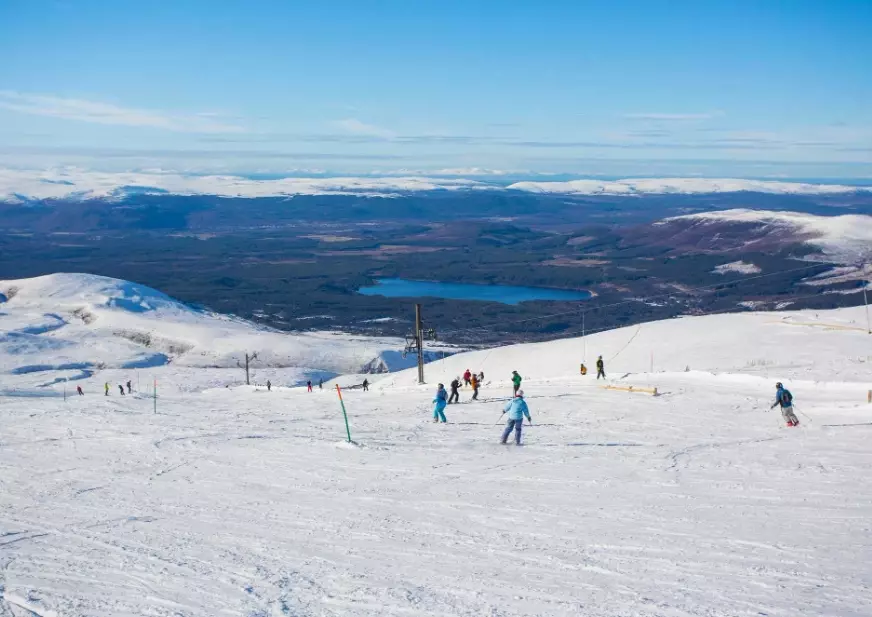
The key metric isn't total seasonal snowfall; it's snow holding and quality. North-facing corries (the bowl-shaped hollows carved by glaciers) are your best friend. They shelter the snow from the sun and hold it long after the lower slopes and south-facing aspects have turned to grass.
Cairngorms vs. Nevis Range: The Head-to-Head
These are the two heavyweights, but they offer distinct experiences. Choosing between them depends on what you're after.
h>The Nevis Range (Near Fort William)| Feature | The Cairngorms Ski Area (Aviemore/Glencoe) | |
|---|---|---|
| Core Location & Address | Primarily around Aviemore, PH22 1RB. Includes CairnGorm Mountain funicular base station and the separate Glencoe Mountain Resort (PH49 4HZ). | Torlundy, Fort William, PH33 6SQ. About 15 minutes drive north of Fort William town centre. |
| Key Terrain & Vibe | More extensive, spread-out system. CairnGorm has the famous Ptarmigan bowl and M1/M2 pistes. Glencoe is older, rougher, with a fantastic off-piste reputation. Vibe is a mix of family-friendly and hardcore. | Home to the UK's only mountain gondola. The Back Corries (Expert only) offer the most reliable, challenging off-piste in Scotland. The front-side is more groomed and accessible. Vibe is modern uplift with a serious freeride heart. |
| Best For Snow Holding | CairnGorm's Coire Cas and Coire na Ciste face north-east, holding snow well. Glencoe's cliffs and bowls are legendary for retaining snow late into spring. | The north-facing Back Corries (Corrie na Ciste, Coire an Lochain) are snow magnets. They often have skiable snow when other areas are bare. |
| Lift Ticket Price (Approx.) | Day pass: £38-£42 (CairnGorm). Glencoe is often cheaper, around £35. Multi-area passes are not available. | Day pass: £40-£44. Includes the gondola, which is essential for accessing the best terrain. |
| Biggest Frustration | Wind. CairnGorm is notoriously windy. The funicular railway has had significant reliability issues, often limiting access to the top. Glencoe's lifts are slower and can be weather-beaten. | The gondola is a blessing and a curse. When it's on wind hold (which happens), your access to the prime terrain is completely cut off. The lower slopes are limited. |
| Best Base Town | Aviemore (PH22 1PF). It's a proper tourist town with tons of accommodation, pubs, ski shops like Cairngorm Mountain Sports, and an alpine feel. Glencoe is more remote. | Fort William (PH33). A larger, grittier outdoor hub. More amenities, great gear shops like Nevisport, and better public transport links. |
A common mistake is treating them as interchangeable. If you want efficient access to challenging, high-altitude off-piste, the Nevis Range gondola is unbeatable – when it's running. If you prefer a wider variety of terrain, more reliable (if slower) lift-served skiing, and a livelier apres-ski town, the Cairngorms/Aviemore complex is your bet. Personally, I watch the wind forecast. If it's going to be a howler, I avoid CairnGorm mountain. If the freeze level is high but it's calm, Nevis Range's gondola might get you to the good stuff.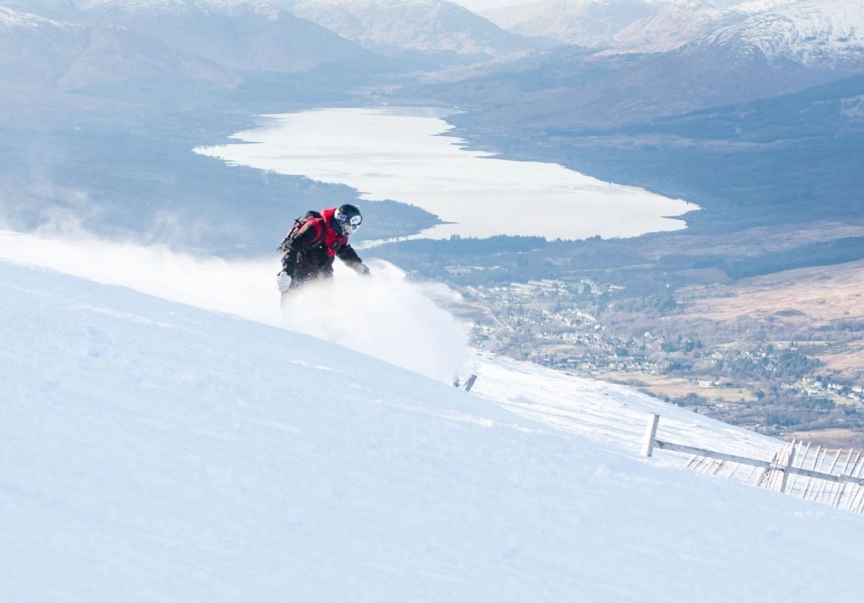
How to Read Scottish Ski Conditions Reports
The official resort reports are a starting point, but you need to read between the lines.
Where to Look
- Official Sites: Cairngorm Mountain and Nevis Range have daily reports. Check the time stamp – a 9 am report is useless if the weather changed at 10.
- The Gold Standard: The Scottish Avalanche Information Service (SAIS) forecast. This isn't just for extreme off-piste. Their daily bulletins for Lochaber (Nevis) and Cairngorms give you a professional assessment of snowpack, stability, wind effect, and future forecast. It's the most honest picture you'll get.
- Webcams are King: The resort webcams don't lie. Look at the corries, not just the car park. See if the snow is patchy, icy, or wind-scoured. Check the live gondola status on the Nevis Range site.
- Social Media & Forums: Facebook groups like "Winter Highland" and "Ski-Scotland" have real-time photos and reports from people on the hill that day. This is often more current than the official feed.
Decoding the Jargon
"Variable conditions" means some good patches, lots of bad patches. "Good cover" means most runs are skiable, but not necessarily pleasant. "Icy patches" means it's a sheet of ice with occasional softer bits. When they say "experts only," they mean it – the terrain can be rocky and the consequences high.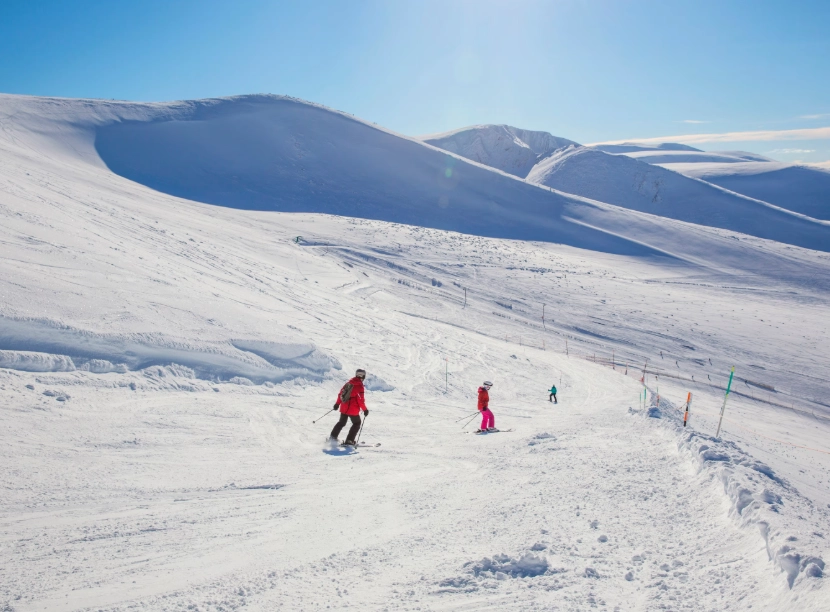
Timing Your Trip: Understanding the Weather Windows
Booking months in advance is a gamble. The best strategy is flexibility.
Historically, the most reliable months are February and March. January can be stormy and dark. April offers longer days and potential for spring corn snow, but the base can be thinning. December is a lottery.
Don't plan a 7-day trip expecting to ski every day. A successful Scottish ski trip might be 3 days long, where you hit one perfect day of fresh snow or crisp corduroy, one challenging day of variable conditions, and one day where you go hill walking or visit a distillery because the weather's blown out. That's a win.
I keep a packed ski bag in my car from December to May. When the SAIS forecast shows a promising 48-hour window of cold temps and precipitation, I go. That's the local's advantage. For visitors, consider a mid-week trip. It's quieter, and accommodation is easier to book last-minute if you're watching the forecast.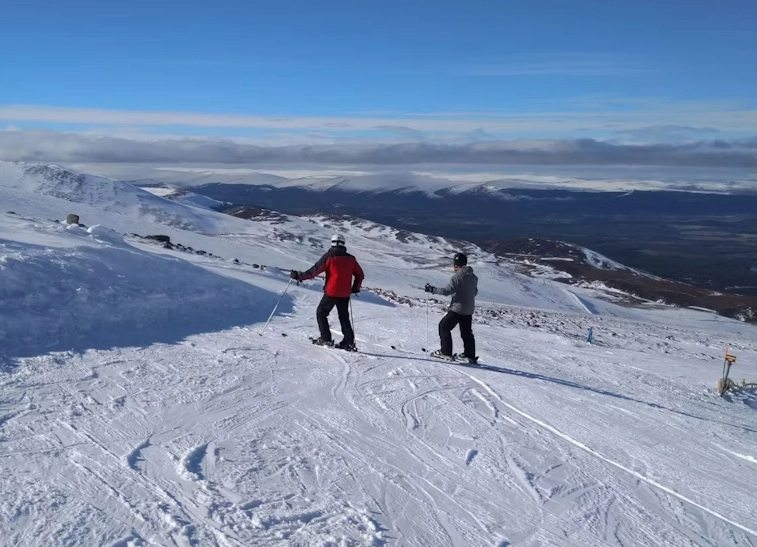
Planning Your Scottish Ski Trip
Accommodation & Transport
For the Cairngorms: Stay in Aviemore. The Cairngorm Hotel is right in the thick of it. For self-catering, the Fraoch Lodge complex is popular. You'll need a car. The drive from the Aviemore shops to the CairnGorm car park is about 20 minutes. For Glencoe, it's more remote – consider the Clachaig Inn for legendary apres-ski, but book early.
For Nevis Range: Stay in Fort William. The Alexandra Hotel is central. The Nevis Bank Inn is reliable. From Fort William, it's a short drive or you can take the local bus (Service 41) towards the gondola base. Having a car gives you the option to bail to Glencoe (45 mins drive) if conditions are better there.
A Sample 3-Day Flexible Itinerary
Day 1 (Travel & Scout): Drive to your base (Aviemore or Fort William). Check into accommodation, visit the local ski shop to ask for the latest hill gossip (they know everything), hire gear if needed, and check all webcams and forecasts for the next morning.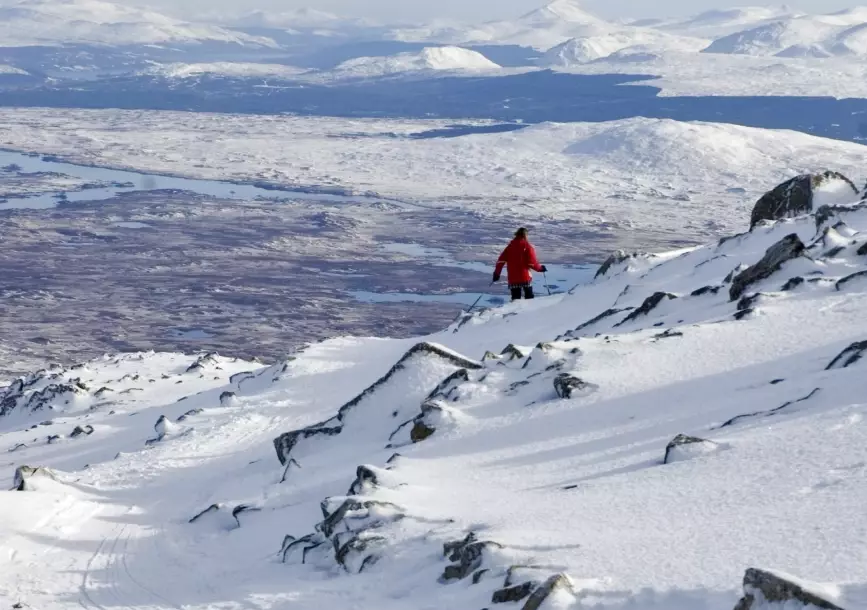
Day 2 (Primary Resort): Early start. Aim to be at the lifts for opening. Ski hard while conditions are best. Weather often deteriorates in the afternoon. Apres-ski in town.
Day 3 (Plan B Day): Check forecasts. If your primary resort is on wind hold or looks poor, this is your flex day. Options: 1) Ski the other nearby resort (e.g., from Aviemore, try Glencoe or even Lecht). 2) If snow is truly dire, go winter hiking in the stunning glens, visit the Highland Wildlife Park near Aviemore, or tour the Ben Nevis Distillery near Fort William.
The Non-Negotiable Gear List for Scotland
Your usual Alps kit might not cut it. Scotland demands more.
- Ski/Snowboard: Don't bring your best new skis. Rocks, heather, and ice are common. An all-mountain ski with a sturdy construction and a sharp edge is ideal. Consider hiring demos locally – they're tuned for these conditions.
- Boots: Comfort is critical. You may be walking in them more than you think – from overflow car parks, across icy paths.
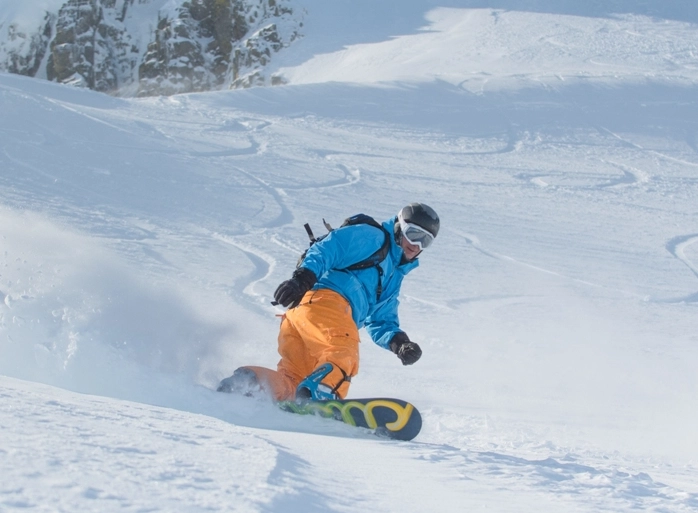
- Clothing: This is the big one. A fully waterproof and breathable shell (Gore-Tex level) is mandatory, not optional. Salopettes too. The precipitation can be horizontal. Multiple mid-layers for easy adjustment. A thin, warm hat that fits under your helmet.
- Goggles with multiple lenses: You need a low-light lens (yellow, rose). Flat light and white-outs are frequent. A sunny day lens is for rare bluebird days.
- Extras: A neck gaiter/balaclava. Heavy-duty gloves AND a thin liner pair. Ski straps. A small rucksack with water, food, and a dry top layer. The mountain cafes can be crowded.
Your Scottish Skiing Questions Answered
When is the absolute best time to book a trip for reliable snow?
There is no guaranteed time. The last two weeks of February through the third week of March statistically see the most stable cold periods and deeper snowpack. However, I've had epic days in late January and total washouts in mid-March. Focus on building a flexible trip you can enjoy regardless, rather than chasing a snow guarantee.
I'm an intermediate skier. Will I find suitable runs in Scotland?
Yes, but manage your expectations. The groomed runs (when they are groomed) can be challenging for intermediates due to ice, variable snow, and often being quite narrow. Stick to the main pistes at CairnGorm (like the M1) or the front-side greens/blues at Nevis Range. Avoid the temptation to follow experts into the corries. Consider a lesson with the local ski school – they'll find the best snow and terrain for your level on the day.
How do the ski areas compare to a typical Alpine resort?
They're smaller, with less uplift capacity and far less snowmaking. The infrastructure is more basic. You won't find vast, perfectly manicured motorway pistes. What you get instead is dramatic, natural mountain scenery, a complete lack of crowds (by Alpine standards), and a sense of adventure that's often missing in bigger resorts. It feels more like skiing used to feel – raw and real.
What thickness ski socks and base layers do I really need?
This is where people overdo it. You don't need expedition-weight merino. The issue is rarely extreme cold; it's dampness and wind chill. A medium-weight merino wool or synthetic base layer is perfect. For socks, a single pair of proper ski socks (thin to medium) is better than two pairs, which restricts circulation and makes your feet colder. The warmth comes from your boots being dry and fitting well.
Is it worth skiing in Scotland if I'm used to the Alps or North America?
It's a different sport. If your goal is to rack up vertical feet on perfect corduroy, no, you might be frustrated. If you enjoy the challenge of reading a mountain, adapting to conditions, and value atmosphere and adventure over convenience, then absolutely. A good day in Scotland is as rewarding as any ski day anywhere in the world, precisely because you've earned it. The pub afterwards will feel deserved.
Related Articles
Comments
Join the discussion