You've seen the pictures. Fluffy, bottomless powder snow under your skis, and steaming, mineral-rich hot springs waiting for you at day's end. It's the iconic Japanese winter experience. But with dozens of resorts claiming the title, how do you find the best onsen ski resort in Japan for you? It's not just about the deepest snow or the most baths—it's about the marriage of the two, the vibe of the village, and the logistics of your trip.
I've spent over a decade chasing snow in Japan, from Hokkaido to Nagano. The mistake most first-timers make? Treating the onsen as an afterthought. It's not. It's the core of the recovery ritual, the cultural immersion, and what makes a Japanese ski trip uniquely rewarding. Let's cut through the hype and look at the resorts that truly deliver on both fronts.
Your Quick Guide to Japan’s Ski & Onsen Gems
Why Japan's Onsen Ski Combo is Unbeatable
It's physiology meets culture. Skiing and snowboarding are demanding. Muscles tighten, joints take a beating. A hot spring, or onsen, does more than just feel good. The minerals (like sulfur, sodium chloride, or bicarbonate) are absorbed through the skin, promoting blood circulation and relieving muscle fatigue far more effectively than a hotel shower. It's active recovery built into your holiday.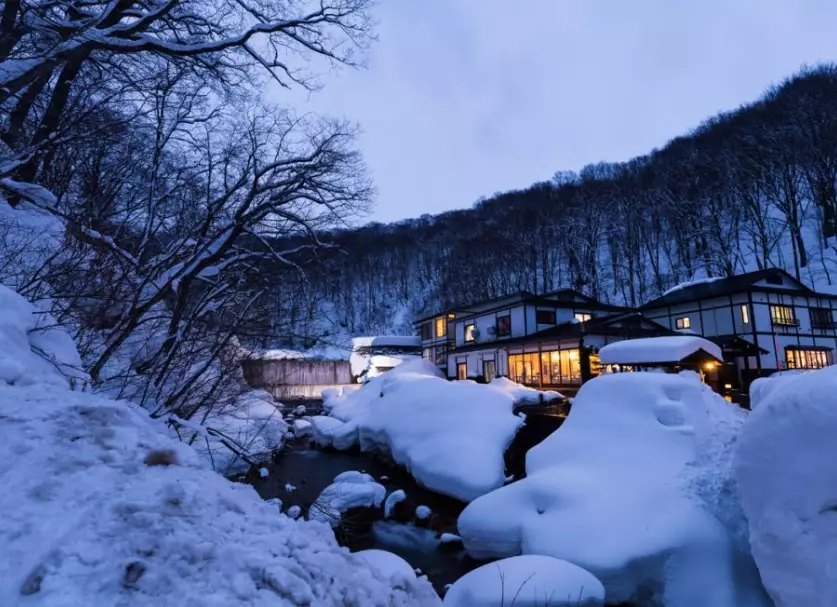
Then there's the ritual. Shedding your gear, washing meticulously at the shower station, and sinking into the scalding water as the snow falls around an outdoor bath (rotenburo). It forces you to slow down. The post-onsen feeling of utter relaxation, often followed by a hearty meal and a cold beer, is the quintessential Japanese ski day finale. Resorts that understand this—where the onsen is woven into the fabric of the place, not just a hotel amenity—are the ones that stand out.
A Detailed Breakdown of the Top Resorts
Here are the front-runners, each with a distinct personality. Forget a simple ranked list; it's about finding your match.
Nozawa Onsen: The Authentic Village Experience
If you want tradition, this is it. Nozawa is a living, breathing hot spring town that happens to have a great ski mountain attached. The ski area is solid: 297 hectares, a good mix of terrain, and reliable snow in Nagano. But the magic is in the 13 free public soto-yu (external baths) scattered through the cobbled streets. Locals use them daily. Your après-ski involves wandering from bath to bath with a towel, a truly unique experience.
Need to Know: Nozawa Onsen
Skiing: 297ha, 21 lifts, top elevation 1650m. Great for intermediates, fun tree skiing (in-bounds areas).
Onsen Vibe: Unbeatable authenticity. Free public baths + many ryokan (traditional inn) options.
Getting There: 90-min bus from Nagano Station (connected by Shinkansen from Tokyo).
Stay Here: For atmosphere, a family-run ryokan like Watasumi or Ryokan Sakaya. For modern convenience, Lodge Nagano.
My Take: The village feel is incredible, but the ski terrain, while fun, isn't the most expansive or challenging in Japan. Perfect for culture-focused skiers.
Hakuba (Happo-One & Others): The Terrain King with Onsen Options
Hakuba Valley is a collection of resorts, with Happo-One being the crown jewel for serious skiers. It hosted Olympic downhill events for a reason—long, steep, demanding runs. The snow quality here in Nagano is consistently excellent. Hakuba isn't a single onsen town like Nozawa; it's a valley with several villages (Happo, Echoland, Wadano) and numerous hotels and pensions with their own onsens. You trade the communal bath-hopping for convenience and variety within your accommodation.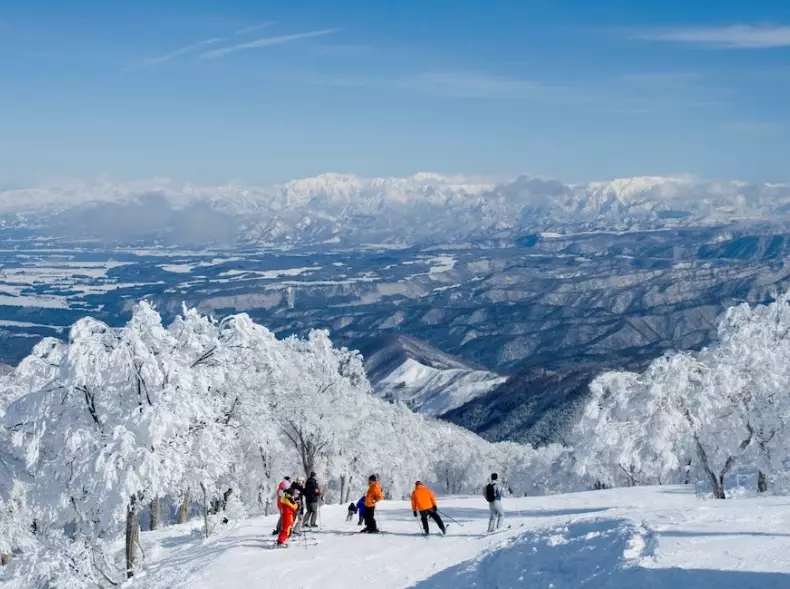
Need to Know: Hakuba Happo-One
Skiing: 220ha, 23 lifts, top elevation 1831m. Legendary advanced terrain, long cruisers, gets crowded on weekends.
Onsen Vibe: Private and hotel-based. Seek out places like Hotel La Vista Hakuba Hills with great views.
Getting There: 75-min bus from Nagano Station.
Stay Here: The Phoenix Hotel for ski-in/ski-out at Happo. Hotel Hakuba for a large, reliable onsen.
My Take: For pure skiing variety and challenge across the whole valley, Hakuba wins. But you need to research your accommodation's onsen carefully—it's not integrated into the streets.
Rusutsu Resort, Hokkaido: The Family & Powder Powerhouse
Hokkaido means the lightest, driest powder on the planet. Rusutsu gets tons of it. The skiing is fantastic for all levels, with famously gentle, wide-open bowls and incredible tree skiing (with a guide). The resort itself is a large, self-contained complex with hotels, a convention center, and even an indoor carousel. The onsen here is the Yukidaruma (“Snow Doll”) complex—a massive, modern spa facility with multiple indoor and outdoor baths, saunas, and relaxation areas. It's less about rustic charm and more about premium comfort and convenience.
Need to Know: Rusutsu Resort
Skiing: 235ha, 18 lifts. Unbeatable powder, perfect for intermediates and powder hunters. Less steep than Honshu resorts.
Onsen Vibe: Large, modern, and comprehensive spa facility. Day passes available.
Getting There: 90-min bus from New Chitose Airport (CTS) or 2 hours from Sapporo.
Stay Here: The Westin Rusutsu or Rusutsu Resort Hotel for direct access to slopes and the Yukidaruma onsen.
My Take: The best choice if your top priorities are guaranteed epic powder and a stress-free, everything-in-one-place setup, especially for families. You sacrifice a traditional village feel.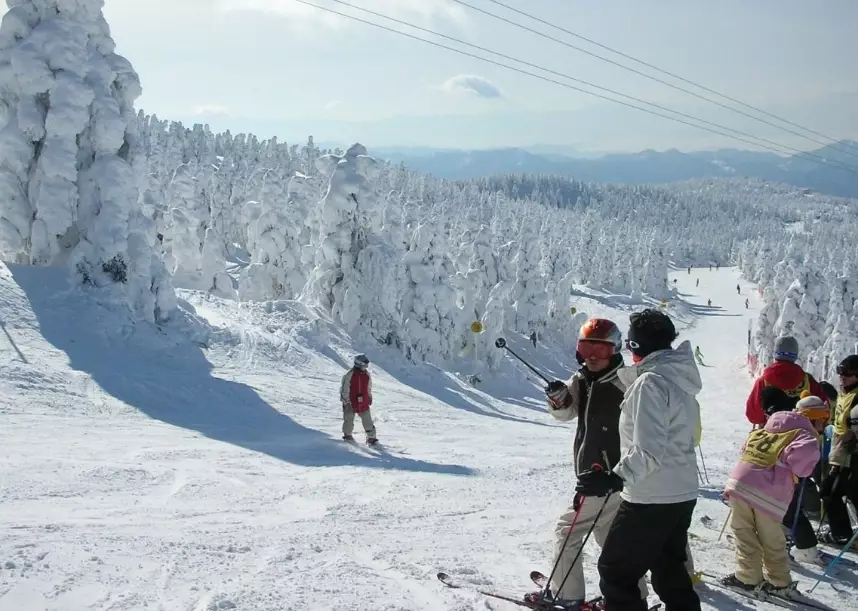
How to Choose Your Perfect Onsen Ski Resort
Match the resort to your personal trip goals. This quick comparison should help.
| Resort | Best For | Ski Terrain Style | Onsen Experience | Ideal Trip Length |
|---|---|---|---|---|
| Nozawa Onsen | Culture, authenticity, village charm | All-mountain, fun & accessible | Traditional, public bath-hopping | 3-5 days |
| Hakuba (Happo) | Expert skiers, terrain variety, long runs | Challenging, steep, Olympic legacy | Private/hotel-based, convenient | 5-7 days (to explore valley) |
| Rusutsu | Powder snow, families, all-in-one ease | Powder bowls, gentle slopes, tree runs | Modern, large-scale spa facility | 4-6 days |
| Shiga Kogen (Bonus) | Serious skiers only, massive interconnected area | Vast, high elevation, less crowded | Limited (mostly hotel baths) | 2-3 days (for skiing focus) |
A common mistake? Overlooking accessibility. A resort with a 3-hour bus ride after an international flight can be brutal. Rusutsu is close to Sapporo's airport. Nozawa and Hakuba are Shinkansen-accessible from Tokyo. Factor this in.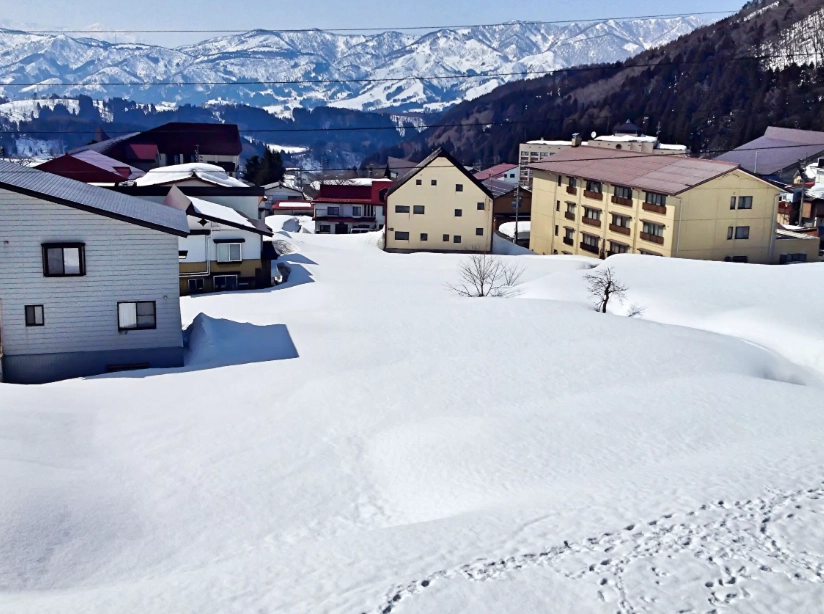
Planning Your Trip: Logistics Made Simple
Getting There & Around
For Hokkaido (Rusutsu, Niseko): Fly into New Chitose Airport (CTS). Pre-book a resort shuttle bus. Renting a car gives flexibility but consider winter driving conditions.
For Nagano (Nozawa, Hakuba): Take the Shinkansen from Tokyo to Nagano or Iiyama stations. From there, direct buses to the resorts run frequently. The Japan Rail Pass can be valuable here.
Accommodation: Ryokan vs. Western Hotel
A ryokan (traditional inn) often includes dinner and breakfast (kaiseki multi-course meals), a yukata (robe), and direct access to a high-quality onsen. It's immersive. A Western-style hotel or apartment offers more space and flexibility for meals. For a first-time, culturally-focused trip, I recommend at least a few nights in a ryokan.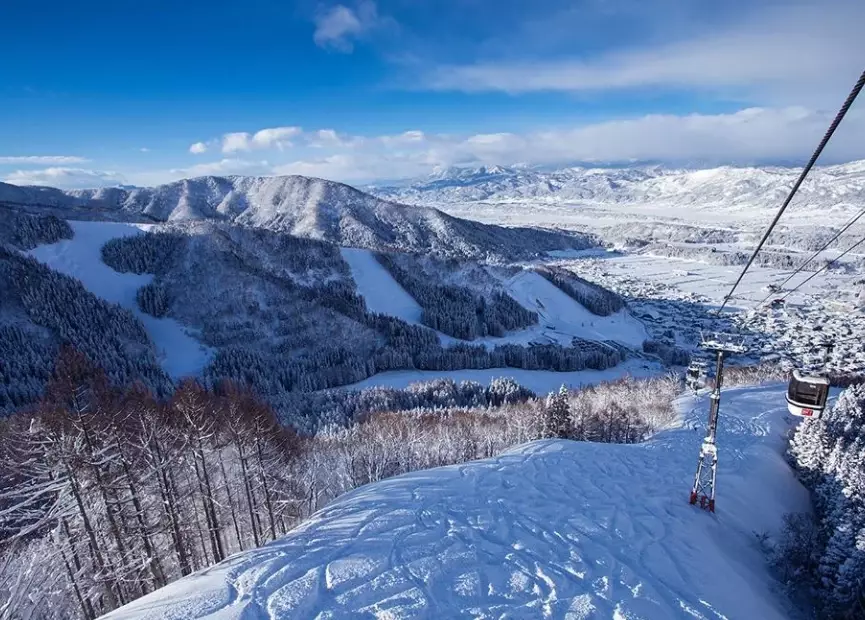
A Sample 5-Day Itinerary (Nagano Focus)
Day 1: Arrive Tokyo, Shinkansen to Nagano, bus to Nozawa Onsen. Check into ryokan, explore village, try a public bath.
Day 2: Ski Nozawa. Après-ski at a local pub, then ryokan onsen and kaiseki dinner.
Day 3: Morning ski, afternoon bus transfer to Hakuba (Happo area). Check into hotel with onsen.
Day 4: Ski Hakuba Happo-One. Challenge the Olympic courses.
Day 5: Morning ski, afternoon bus to Nagano, Shinkansen back to Tokyo.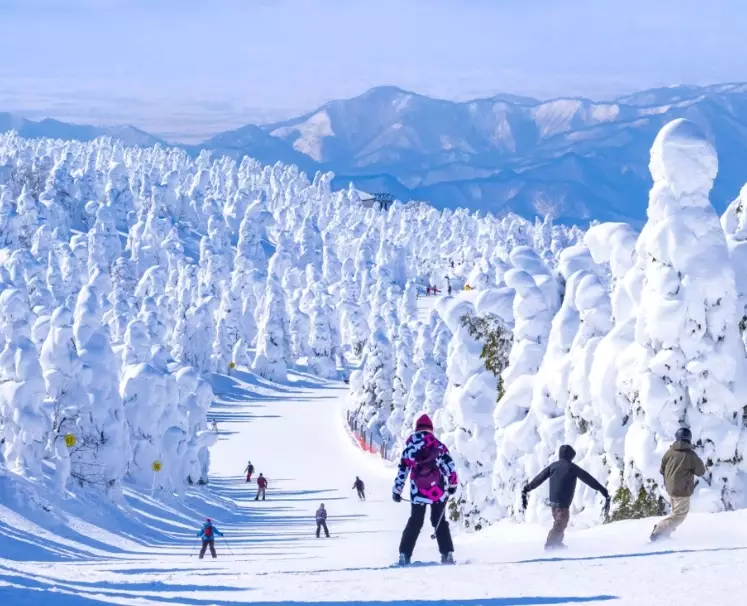
What to Do When You're Not Skiing or Soaking
The experience extends beyond the slopes and baths. In Nozawa, visit the Ogama, a giant boiling spring used to cook eggs and vegetables. Hakuba has excellent craft beer spots like Hakuba Brewing Company. Rusutsu offers snowmobiling and reindeer sledding. All regions have opportunities for snowshoeing or visiting local sake breweries. Don't just ski-eat-sleep-repeat. Explore.
Frequently Asked Questions (Answered by a Local)
Are onsen ski resorts in Japan suitable for families with young children?
Many are excellent for families. Resorts like Nozawa Onsen and Rusutsu are prime examples. They offer gentle beginner slopes, ski schools with English-speaking instructors, and kid-friendly amenities. The village atmosphere of Nozawa is particularly safe and charming for children to explore. However, always check the specific onsen policies; some baths may have age restrictions or designated family bathing times. Many modern hotel onsens also offer private family baths you can reserve.
As a snowboarder, are there any onsen ski resorts I should avoid or prioritize?
You can enjoy most major resorts. However, prioritize resorts with modern, high-speed chairlifts and gondolas, as they are easier to board with your gear. Hakuba's Happo-One and Niseko are snowboarder heavens with vast, open terrain and reliable lift systems. A minor point some overlook: traditional village onsens often have many small, separate baths. Navigating these with a snowboarder's fatigue and gear can be a hassle after a long day. Choosing a resort where your accommodation has its own onsen, or is very close to a large, modern spa facility, significantly boosts convenience for boarders.
What is a realistic daily budget for a trip to a Japanese onsen ski resort?
Excluding international flights, budget roughly ¥15,000 to ¥25,000 per person per day for a mid-range experience. This breaks down to: accommodation (¥8,000-15,000 for a pension or mid-range hotel), lift pass (¥5,000-7,000), food (¥3,000-5,000 for casual meals and convenience store snacks), and onsen fees (¥500-1,000 if not included with your stay). Renting ski gear adds another ¥3,000-5,000 daily. Niseko and Hakuba's premium zones can be 30-50% higher. You can save by staying in a self-catered apartment, buying multi-day lift passes, and utilizing included hotel onsens.
I'm traveling with non-skiers. What can they do at these resorts besides the onsen?
Plenty. Beyond the obvious hot springs, non-skiers can enjoy snowshoeing tours, scenic gondola rides to mountain cafes (like the one at Rusutsu), and cultural walks through historic villages like Nozawa. Many resorts offer craft workshops, cooking classes, or day trips to nearby towns. Rusutsu has its amusement park features, and Niseko has a vibrant dining and shopping scene. The key is choosing a resort with a defined village or base area—places that are more than just a collection of ski lifts—so there's a community and landscape to explore on foot.
Ultimately, the best onsen ski resort in Japan is the one that aligns with what you value most: deep powder, challenging runs, cultural immersion, or family-friendly ease. Whether it's the timeless streets of Nozawa, the epic slopes of Hakuba, or the powder paradise of Rusutsu, you're in for an unforgettable blend of adventure and rejuvenation. Just remember to wash thoroughly before entering the bath.
Related Articles

Comments
Join the discussion