Let's be honest, when you think of world-class skiing, Australia isn't the first place that springs to mind. That's part of its charm. Skiing here is a unique blend of raw, beautiful alpine landscapes, surprisingly reliable snow (in a good year), and a vibe that's more about après beers with mates than fur coats and glitz. This guide isn't just a list of resorts. It's the manual I wish I'd had before my first trip, packed with the gritty details you need to plan a trip that actually works.
What's Inside This Guide
The Big Four: Australia's Premier Ski Resorts
Most of the action happens in the Australian Alps, straddling the border of New South Wales (NSW) and Victoria. These four resorts get the most snow, have the best infrastructure, and offer something for everyone.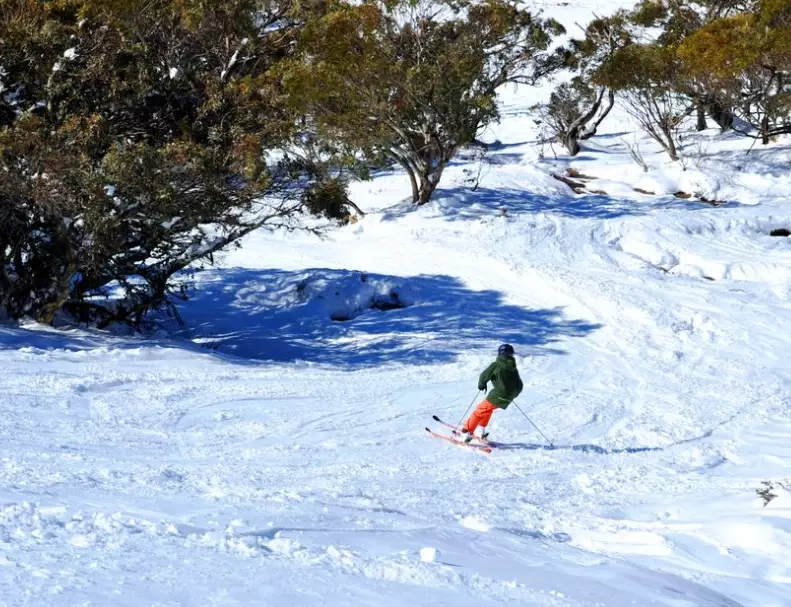
| Resort & State | Best For | Key Stats & Vibe | Address & Access |
|---|---|---|---|
| Thredbo, NSW | Longest runs, village atmosphere, advanced terrain. | Australia's longest run (5.9km), 480m vertical. Lively village with bars, restaurants, and events. Can get crowded and pricey. | Friday Dr, Thredbo Village NSW 2625. ~6hr drive from Sydney. Closest major airport: Canberra (2.5hrs). |
| Perisher, NSW | Huge skiable area, families, beginners, snow reliability. | Largest ski area in the Southern Hemisphere (4 linked areas). Over 100 lifts/tows. Feels more like a functional base than a quaint village. | Kosciuszko Rd, Perisher Valley NSW 2624. Same access as Thredbo. The Ski Tube train from Bullocks Flat is a unique, stress-free option. |
| Falls Creek, Victoria | Pedestrian-only village, intermediate cruising, family-friendly. | All accommodation is ski-in/ski-out. Wide, groomed trails dominate. The village bowl layout is super convenient, especially with kids. | Falls Creek, Bogong VIC 3699. ~4.5hrs from Melbourne. Closest town is Mt Beauty (30mins). |
| Mt Hotham, Victoria | Advanced/expert skiers, challenging terrain, reliable snow. | Known as "The Powder Capital." The village is on the ridge, so you often ski down to your lifts. Not ideal for beginners. Access road is steep. | Great Alpine Rd, Hotham Heights VIC 3741. ~4.5hrs from Melbourne. The drive up is an adventure in itself. |
Here's a personal take: Thredbo feels like a proper alpine village, but you pay for it. Perisher's size is its superpower – you can escape crowds if you know where to go (hint: head to Guthega early). Falls Creek is effortlessly easy for logistics, while Hotham delivers the most consistent challenge for good skiers. A common mistake? Assuming all resorts are the same. They're not. Picking the wrong one for your skill level can ruin a trip.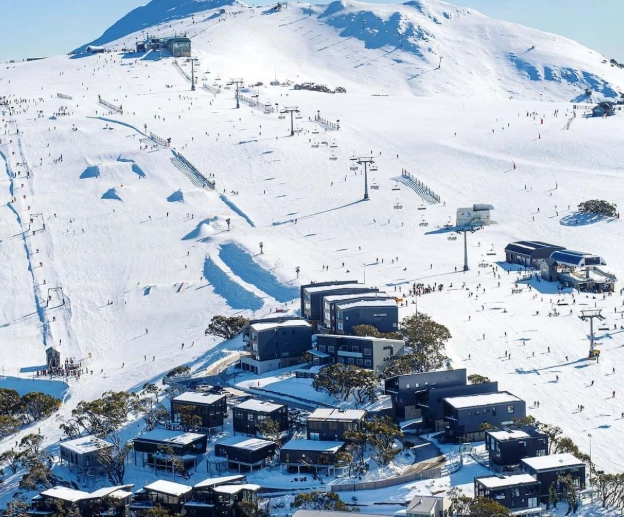
Beyond the Big Four: Other Fields Worth Your Time
The Big Four get the headlines, but Australia has other ski fields with distinct personalities. Don't overlook them.
New South Wales Gems
Charlotte Pass is Australia's highest and oldest ski resort. It's snowbound – access is by oversnow transport from Perisher. This creates an incredibly intimate, old-school vibe. It's small, family-run, and perfect for beginners and intermediates who want to avoid the masses. It's also one of the most snow-reliable spots.
Selwyn Snowfields is the ultimate beginner and family mountain. It's affordable, gentle, and has a fantastic learning area. It was badly damaged by the 2020 bushfires but has rebuilt. It's a heartwarming story and a great, low-pressure place to start.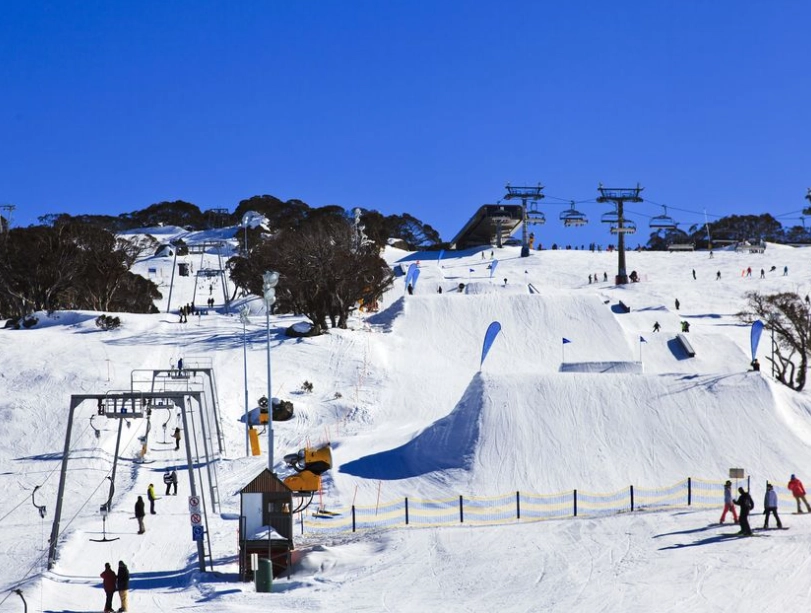
Victoria's Varied Options
Mt Buller is the most accessible major resort from Melbourne (about 3 hours), which is both its blessing and its curse. The village is extensive, with great amenities, but it can feel packed on weekends. It has a good mix of terrain, but snow quality can suffer due to lower altitude.
Mt Baw Baw is small, quirky, and only 2.5 hours from Melbourne. It's more of a large hill than a mountain, ideal for first-timers, tobogganing, and a relaxed day trip. Manage your expectations – this isn't for experts seeking steep lines.
The Tasmanian Wildcard: Ben Lomond
Want something completely different? Head to Tasmania. Ben Lomond National Park, near Launceston, is a plateau with a handful of lifts. The drive up the infamous "Jacobs Ladder" dirt road switchbacks is legendary. The terrain is limited, but the views are epic, the crowds are thin, and the experience is pure, unvarnished Aussie skiing. Check road conditions religiously before you go.
Pro Tip Most Guides Miss: Everyone obsesses over lift tickets, but forgets park entry fees. Resorts in NSW (Thredbo, Perisher, Charlotte Pass, Selwyn) are within Kosciuszko National Park. You need a NSW National Parks pass for your vehicle, which is an extra daily cost. Victoria's resorts don't have this fee. Factor it into your budget.
When to Go & Understanding Aussie Snow Conditions
The official season runs from early June to early October, but that's optimistic.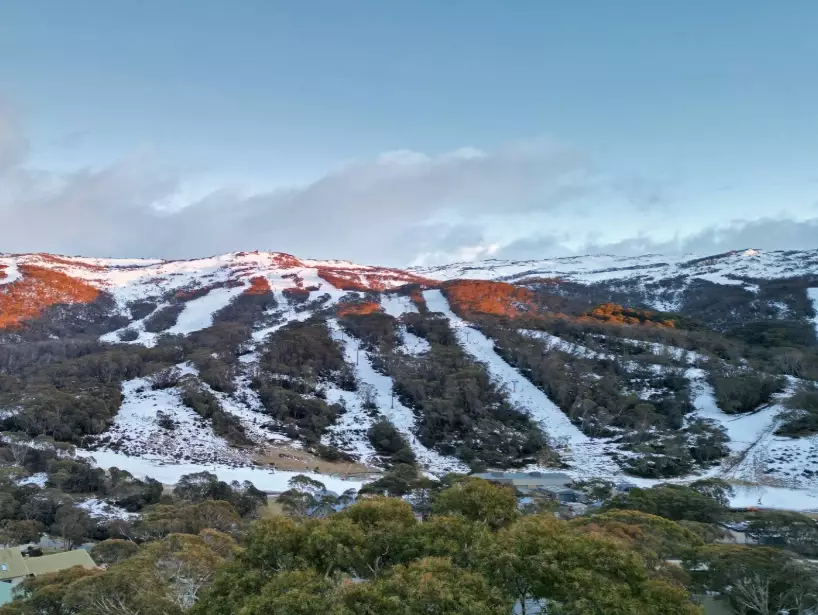
Peak Season (Late July – Late August): This is your safest bet for decent snow cover. It's also school holiday time in most states, so it's busy and prices peak. If you want the best chance of good snow and don't mind crowds, this is it.
Shoulder Seasons (June, September): June can be hit-or-miss. You might score empty slopes and early dumps, or you might ski on grass and man-made snow. September offers longer days, spring skiing (corn snow in the morning, slush in the afternoon), and fewer people. It's a gamble with higher potential rewards for the flexible.
Aussie snow is maritime – it can be heavy, wet, and prone to rapid freeze-thaw cycles. Don't expect Utah blower powder every day. The snow report is your bible. Don't just look at the snow depth number. Check the 24-hour snowfall, the forecast, and the weather cameras. The Snowatch and Snow-Forecast sites are more detailed than most resort pages.
Planning Your Australian Ski Trip: The Nitty-Gritty
This is where trips are made or broken. Let's get practical.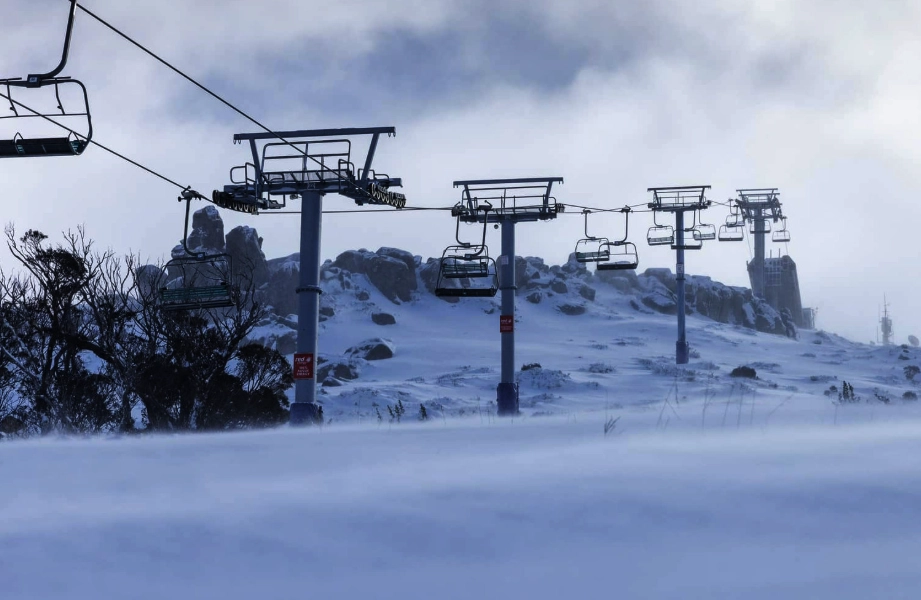
Getting There & Getting Around
Driving: The most flexible option. You'll need a reliable car. From Sydney to the NSW resorts is a 5-6 hour drive. From Melbourne to the Victorian resorts is 3-4.5 hours. Check if you need to carry snow chains by law. In Victoria, it's often mandatory to carry them in alpine areas during the season, even if not fitting them. Hire them in gateway towns like Jindabyne (NSW) or Mt Beauty (Vic).
Flying & Transfers: Fly into Sydney, Melbourne, Canberra, or Albury. From there, you can book coach transfers directly to resort villages. Companies like Greyhound and private operators run regular services. It's less stressful than driving in snow if you're not used to it.
Where to Stay & For How Long
On-Mountain: Expensive but supremely convenient. In Falls Creek, it's almost necessary. In Thredbo and Perisher, it defines the experience. Book at least 6 months in advance for peak periods.
Gateway Towns: More affordable and varied. For NSW resorts, stay in Jindabyne. It's a 30-minute drive to the ski fields, has supermarkets, pubs, and cheaper accommodation. For Victorian resorts, look at Mt Beauty (Falls Creek/Hotham) or Mansfield (Mt Buller). You'll spend time commuting, but you'll save money.
A 5-7 day trip is ideal. It gives you time to settle in, weather out a bad day, and explore the mountain.
Gear, Lessons & Budget Realities
Rent in Town: Don't rent gear on-mountain unless you have no choice. Rental shops in Jindabyne, Cooma, or Mt Beauty are significantly cheaper and have better service. You can fit everything the night before.
Take a Lesson: Seriously. Even if you're an intermediate. Aussie terrain has its own character – icy patches in the morning, variable snow, unique lift systems. A two-hour lesson on your first morning will tune you into the mountain faster than anything else.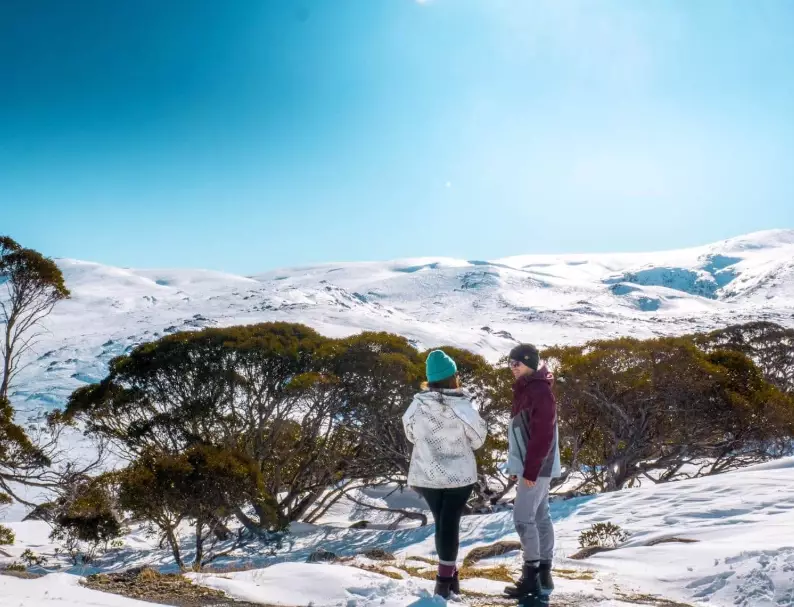
Budget: Australian skiing is not cheap. A rough daily budget for one person (excluding travel to the region):
- Lift Pass: $150-$180 AUD
- On-Mountain Food/Drink: $50-$80 AUD
- Accommodation (share): $100-$250+ AUD
- Gear Rental (if needed): $50-$70 AUD
Add car hire, fuel, park entry, and lessons on top. Buying multi-day lift passes online in advance can save 10-20%.
Your Burning Questions Answered (FAQ)
Related Articles

Comments
Join the discussion